An engine that feels smooth at idle but hesitates or shakes when accelerating needs a different investigation from a car that runs unevenly all the time. A misfire under load can come from ignition, fuel delivery, air leaks or a mechanical problem. Replacing a set of coils may fix some petrol engines, but it is not a diagnosis in itself.
Load is the demand placed on the engine, not simply its speed. Accelerating uphill or joining faster traffic can expose a weakness that is not obvious while the vehicle is stationary. Tell the workshop exactly when the symptom occurs, rather than trying to reproduce it repeatedly on the road.
Is it definitely a misfire?
A misfire means combustion is absent or incomplete in a cylinder. Drivers may describe it as a hesitation, judder or momentary loss of power. However, transmission shudder, a worn drivetrain component or traction-control intervention can feel similar. The relationship between engine speed, road speed, selected gear and throttle demand helps narrow the possibilities.
Diagnostic information can identify recorded misfires or a pattern affecting particular cylinders. A cylinder-specific fault code points towards an area to investigate; it does not identify the failed part. A general misfire code can reflect several different conditions, including a shared air or fuel problem.
Why ignition faults can appear during acceleration
In a petrol engine, the ignition system must produce a reliable spark under changing conditions within the cylinder. A worn or incorrect spark plug, damaged coil, poor electrical connection or contamination around the plug can become more apparent when the engine is working harder. A car may therefore idle reasonably while hesitating during acceleration.
Inspection should include the correct plug specification, condition and service history, together with the relevant wiring and coil installation. Where appropriate, a controlled component substitution can help establish whether a fault follows a coil, but it should be interpreted alongside the other evidence. It is not a reason to replace every ignition component automatically.
Fuel, air and mechanical causes also matter
Fuel delivery and unmetered air
The engine needs suitable fuel delivery as demand rises. Problems with supply, pressure control or an injector can produce poor combustion. Testing must match the fuel system fitted; high-pressure direct-injection equipment requires proper procedures and should not be opened for an informal driveway check.
An intake or boost leak can also disturb the intended air supply. The workshop may compare requested and measured operating values and test relevant pipework. A fuel-trim reading or pressure code is useful context, but an isolated number taken from an online example is not a universal limit for every engine.
Compression and valve operation
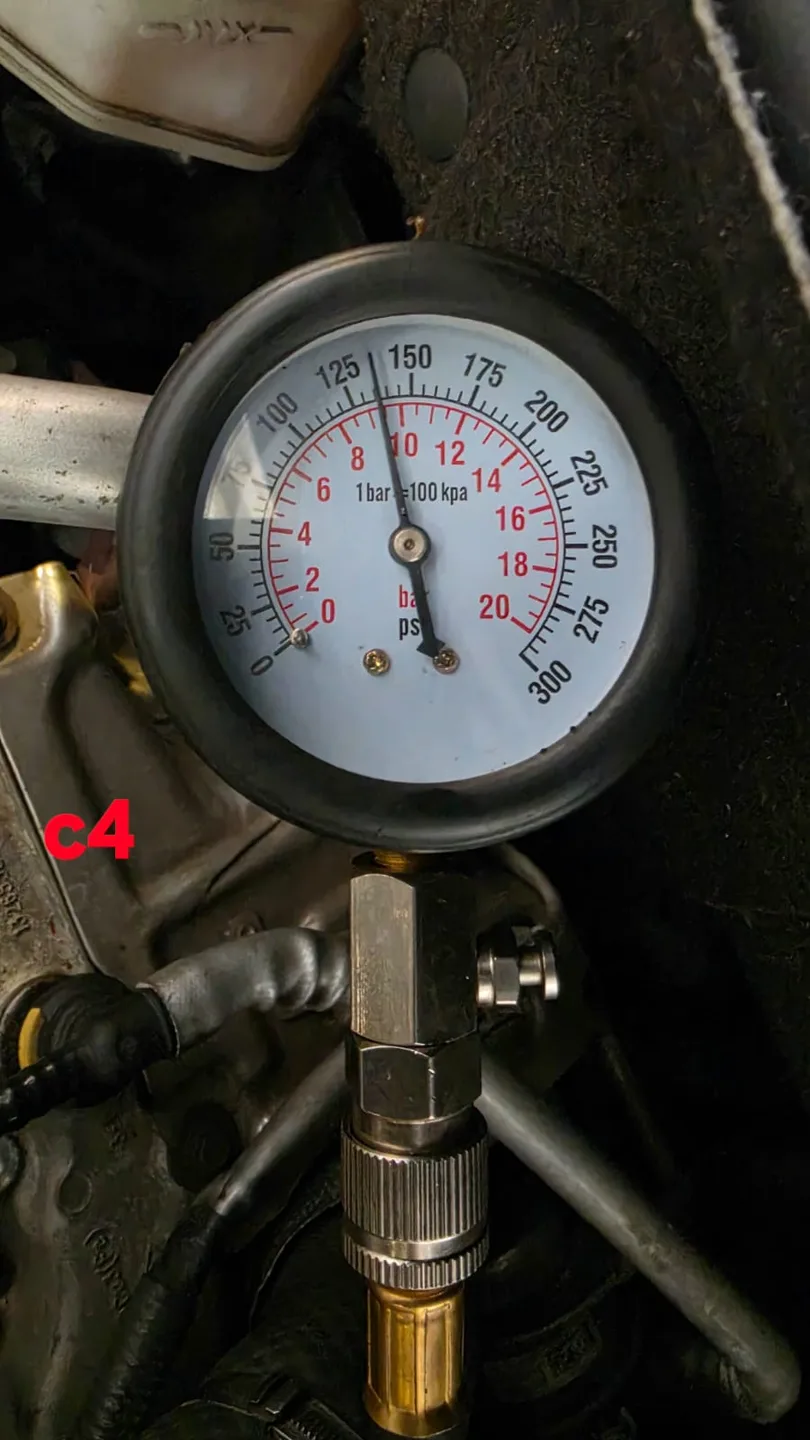
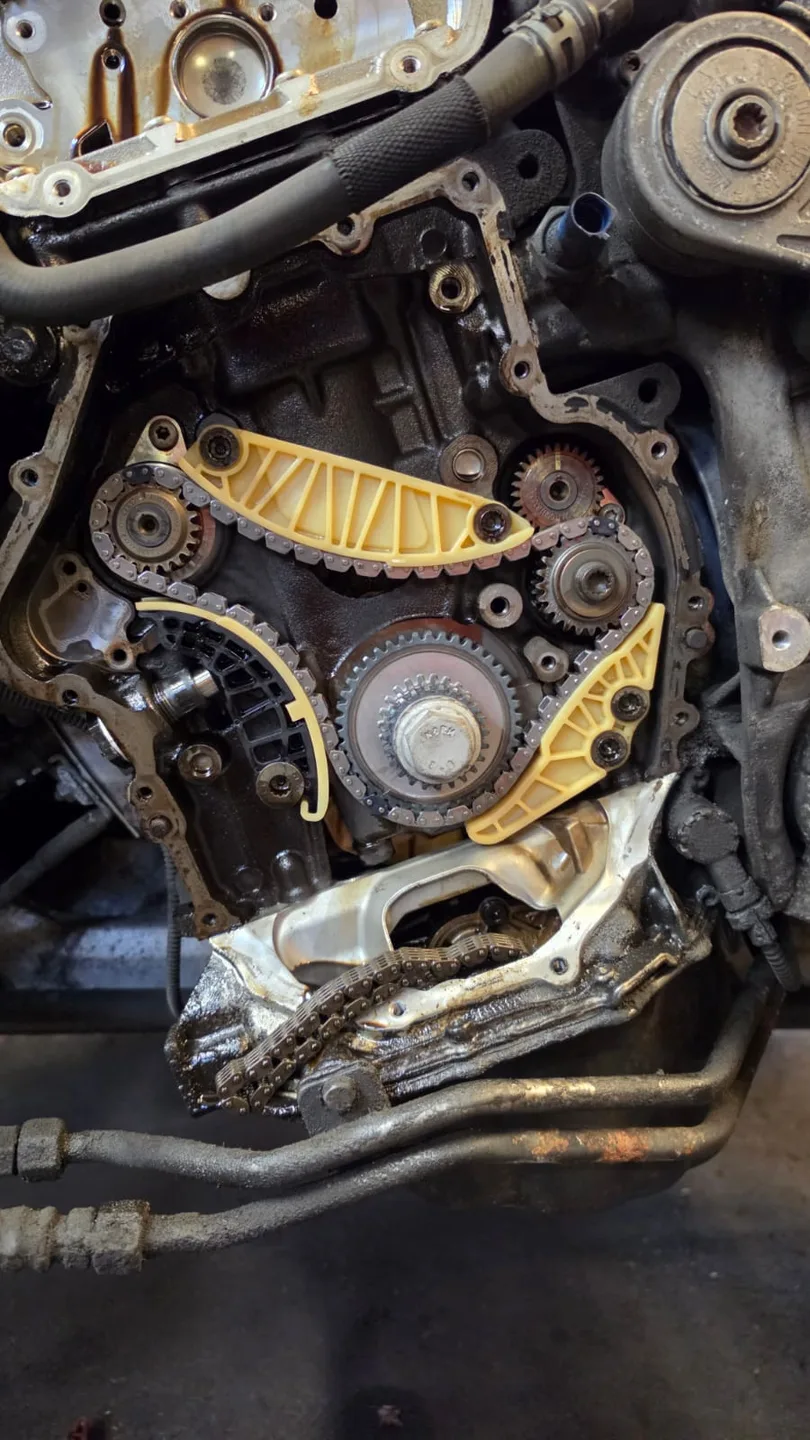
If ignition and fuel checks do not explain the evidence, the condition of the cylinder and its valves may need assessment. Compression and leak-down tests serve different purposes and must be carried out and interpreted correctly. Mechanical timing can also matter where symptoms or diagnostic information point that way.
Diesel engines do not use spark plugs and ignition coils to ignite the fuel. Their rough-running investigation follows the appropriate injection, air, compression and control checks. Advice about swapping a petrol ignition coil should not be transferred to a diesel simply because both vehicles hesitate under load.
What to do when the warning light flashes
A flashing engine warning light during rough running commonly signals a condition that may damage the catalytic converter. Reduce demand, stop safely and follow the vehicle handbook. If the engine continues to shake, power is severely reduced or the light keeps flashing, obtain advice before driving further. Do not keep accelerating to see whether it clears.
Unburnt fuel can affect the exhaust system, so leaving an active misfire unresolved may increase the eventual repair. A solid light with mild symptoms still needs investigation; the lamp alone cannot establish how far it is safe to drive.
Information that makes diagnosis more efficient
Bring details of recent servicing, refuelling and any parts already replaced. Note whether the problem appears only cold, only warm, in wet weather or within a particular driving situation. If the fault is intermittent, a description of the circumstances is often more useful than a video of the dashboard after the event.
Avoid clearing fault codes before the appointment. Stored information and the conditions recorded when a fault occurred can help the workshop. A controlled road assessment may be appropriate if the car is safe to test; otherwise static checks and recovery arrangements take priority. No one should need to recreate a dangerous loss of power in traffic to prove a symptom exists.
Repairing the cause, then checking the result
Our engine diagnostic and repair service can help identify the appropriate next step. Where there is evidence of consequential damage, an exhaust-system assessment may also be required. Replacing an affected catalytic converter without resolving the misfire can leave the original problem in place.
Ask the workshop what confirmed the cause and how operation will be checked after the repair. The featured workshop test-gauge photograph is illustrative; it does not imply that a compression test is required for every misfire or that the photographed vehicle had this fault.
Agreeing the work and payment
A staged estimate can separate the initial investigation from any parts or additional tests. If a confirmed repair is more extensive than expected, ask about Car repair finance before authorising the work. Options and terms need confirmation, and a payment arrangement should follow a clear explanation of the fault rather than replace it.