Needing to add engine oil more often is a change worth measuring, rather than dismissing as something every older car does. Oil may be escaping through an external leak, passing through the engine's ventilation system or being consumed inside the engine. More than one problem can be present, and a dry parking space does not rule out oil loss.
There is no single acceptable consumption figure for every vehicle. The manufacturer's information for the particular engine, the driving conditions and a consistent measurement method are all relevant. The practical starting point is to establish how much oil is being added over a known distance and whether the rate has changed.
First confirm that the readings are comparable
Oil readings taken on a slope, immediately after switching off or under different temperature conditions can create a misleading picture. Follow the handbook's procedure for the dipstick or electronic level display. Record the mileage, date and quantity added, and use the same method each time. If the car has recently been serviced, keep the invoice showing the oil specification and quantity.
Never add a large amount just because a warning appeared. Check what the warning means and measure the level as instructed. A low-level message and an oil-pressure warning are different concerns. Too much oil can also cause problems, so the maximum mark is a limit, not a target to exceed. Use the approved specification rather than choosing only by the viscosity printed on the bottle.
Where can the missing oil go?
External leaks that do not reach the driveway
Oil can collect on an undertray or spread across the engine and gearbox before a drop reaches the ground. Small leaks may be more apparent after a longer journey, and oil contacting a hot surface can produce a smell. Possible sources include covers, housings and seals, but the wettest or lowest point is not necessarily where the leak started.
A workshop may need to clean an affected area and recheck it under controlled conditions. Replacing the first visibly wet gasket can miss a leak from higher up. A written description of the source is more useful than a general statement that the engine is oily.
Crankcase ventilation and internal consumption
The crankcase ventilation system manages gases within the engine. A fault can affect pressure and the movement of oil vapour, potentially contributing to oil use or leaks. Where relevant, its hoses and pressure-control components should be assessed before assuming that the piston rings are worn.
Internal consumption can also involve valve-stem sealing, piston rings or other engine wear. On turbocharged engines, the turbocharger and its oil supply and return arrangements may need investigation. An oily intake pipe alone does not prove a failed turbo: the amount, location and operating evidence matter. Exhaust smoke is another clue, but its colour and timing cannot replace diagnosis.
What a sensible investigation includes
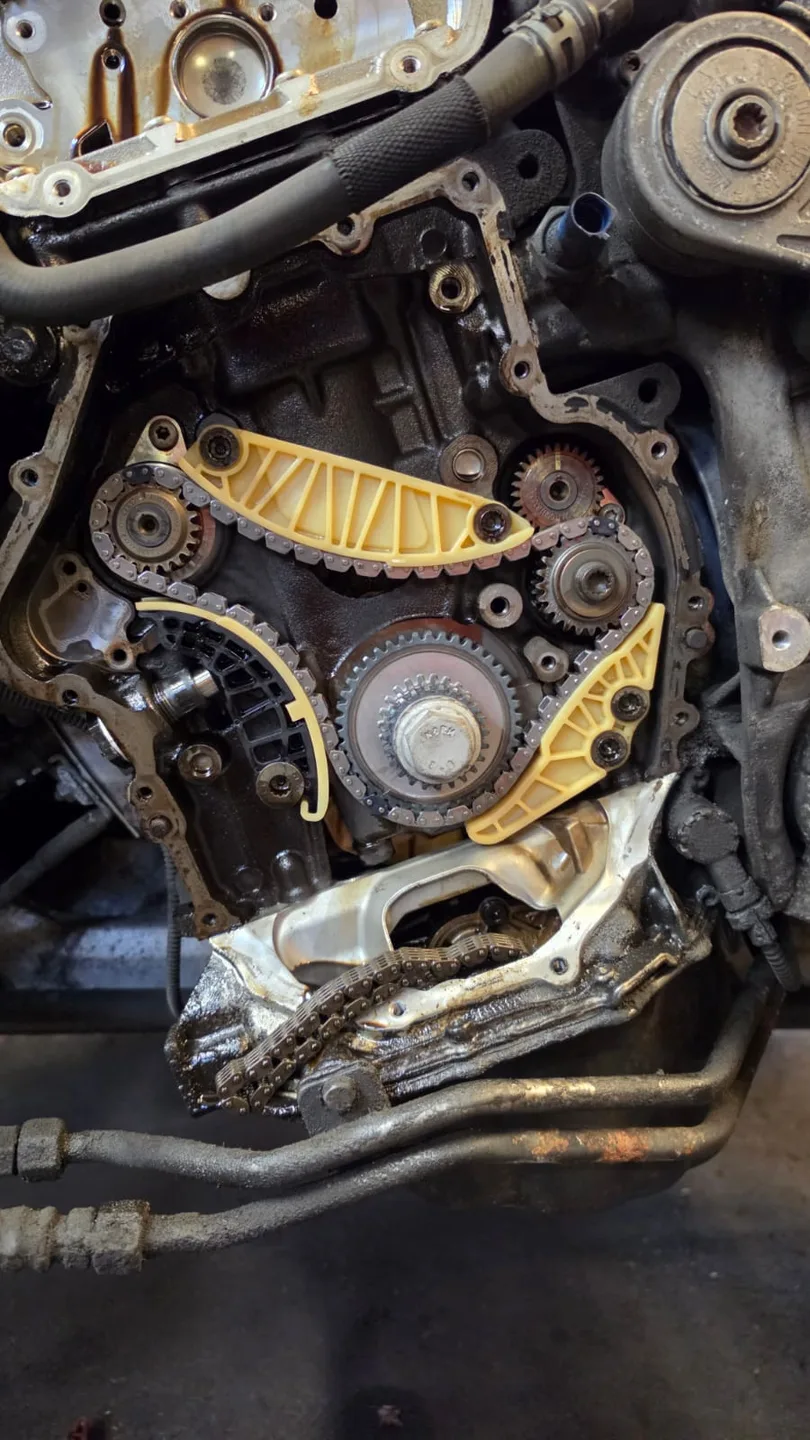
The workshop should first confirm the vehicle and engine specification, service history and reported rate of loss. An external inspection and checks of the ventilation system may narrow the possibilities. Depending on the findings, further work could include a controlled oil-consumption measurement, inspection of relevant intake components, compression or leak-down testing, or an internal visual inspection with suitable equipment.
These tests answer different questions. A compression reading, for example, is not a universal pass or fail test for every cause of oil consumption. Ask which possibility each proposed check is intended to confirm or exclude. If the car drives normally, a structured measurement period may be more informative than immediate dismantling, provided the workshop considers continued use appropriate.
When is it more urgent?
Stop safely and switch the engine off if an oil-pressure warning appears, particularly alongside unusual mechanical noise. Do not assume that topping up will make it safe to restart. Heavy smoke, a rapid loss of oil, a strong burning smell or oil reaching hot components also warrants prompt advice. The handbook's warning instructions take priority over an online guide.
For a slower, measured change without these warning signs, arrange an assessment and maintain the correct level while following the workshop's advice. Repeated top-ups should not become a substitute for finding the reason, especially if the amount is increasing.
Choosing the right repair in Croydon
The solution may be a relatively contained leak repair or a more involved engine job. Our engine repair service can assess the evidence before a scope is agreed. If oil burning has affected the exhaust or emissions equipment, a related exhaust-system inspection may also be appropriate. Replacing downstream components without addressing the oil problem risks a repeat issue.
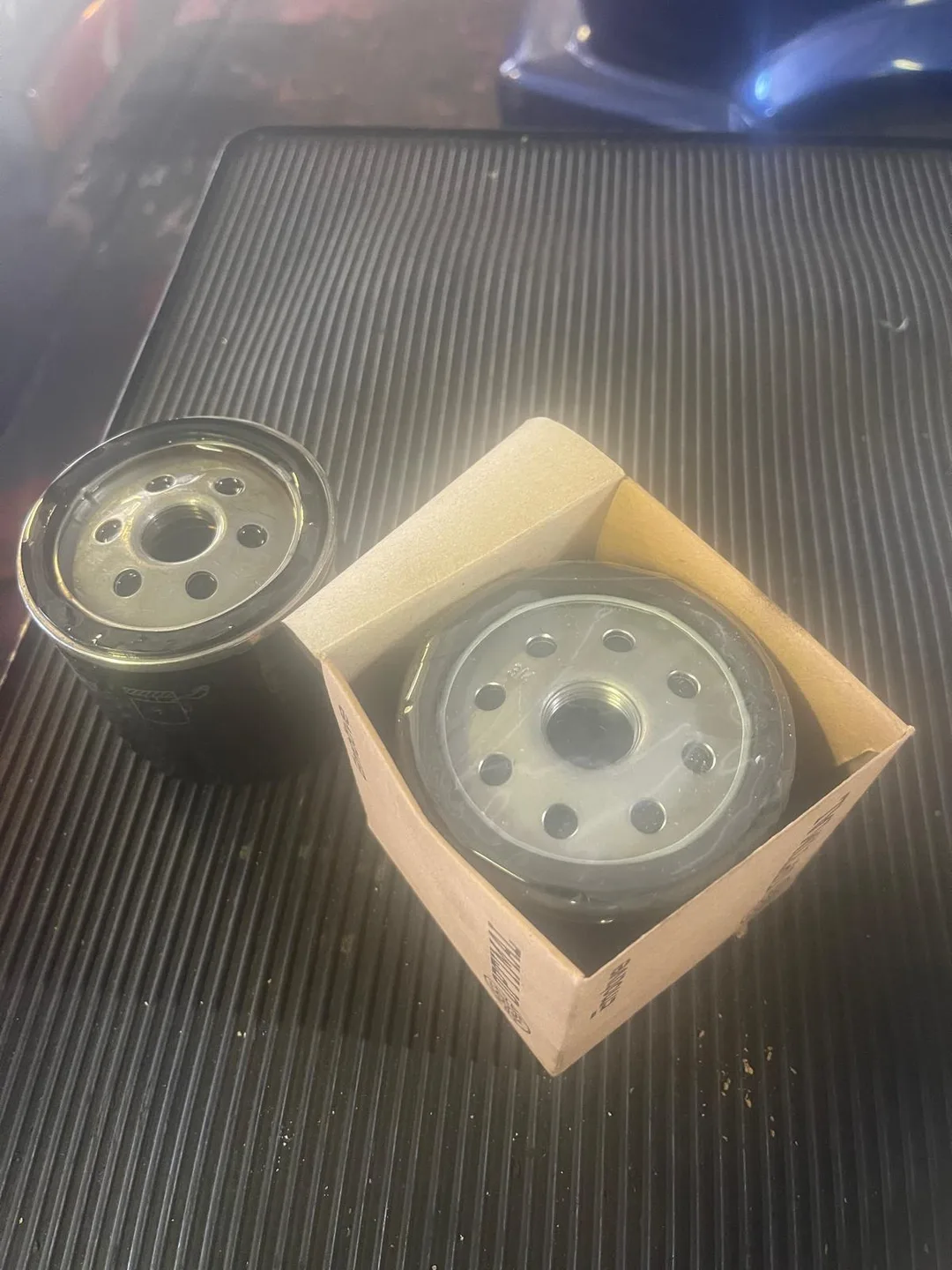
Bring your top-up record and mention any smoke, smell or recent repairs when booking car repair in Croydon. The featured oil-filter photograph provides servicing context; it does not identify the cause of consumption in your vehicle.
Budgeting after the cause is established
Ask for a quotation that separates diagnostic work from the proposed repair. If the confirmed work is a larger expense, our Car repair finance page explains how to enquire about spreading the cost. Any available arrangement and its conditions must be confirmed before proceeding. An oil-consumption diagnosis should lead the spending decision, rather than a guess about which component is most likely to be expensive.