Modern Audi air conditioning systems are designed to provide excellent comfort throughout the year, but like every vehicle, they require periodic maintenance to perform at their best.
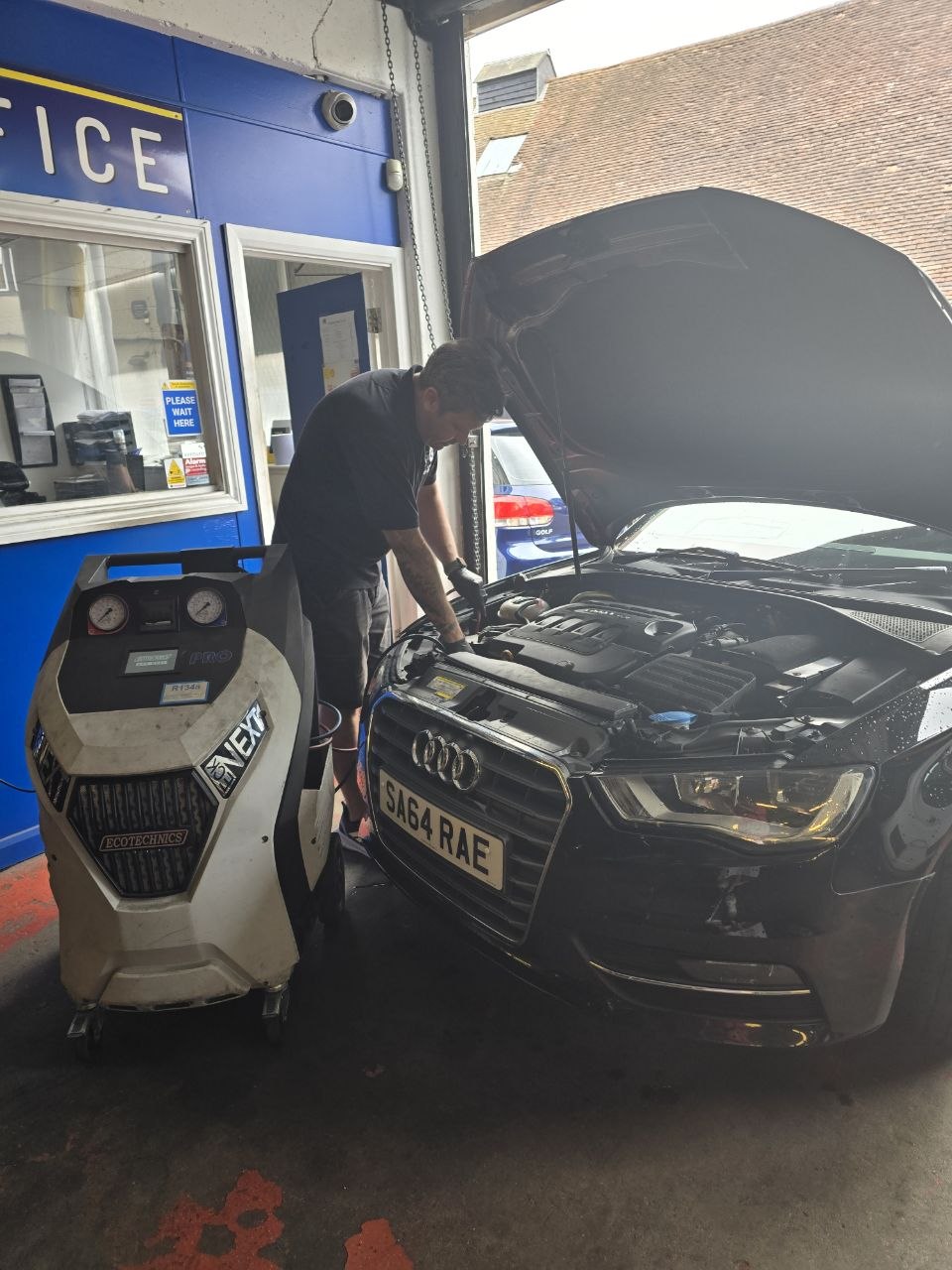
This Audi A3 came into our workshop after the owner reported weak cooling and inconsistent air conditioning performance.
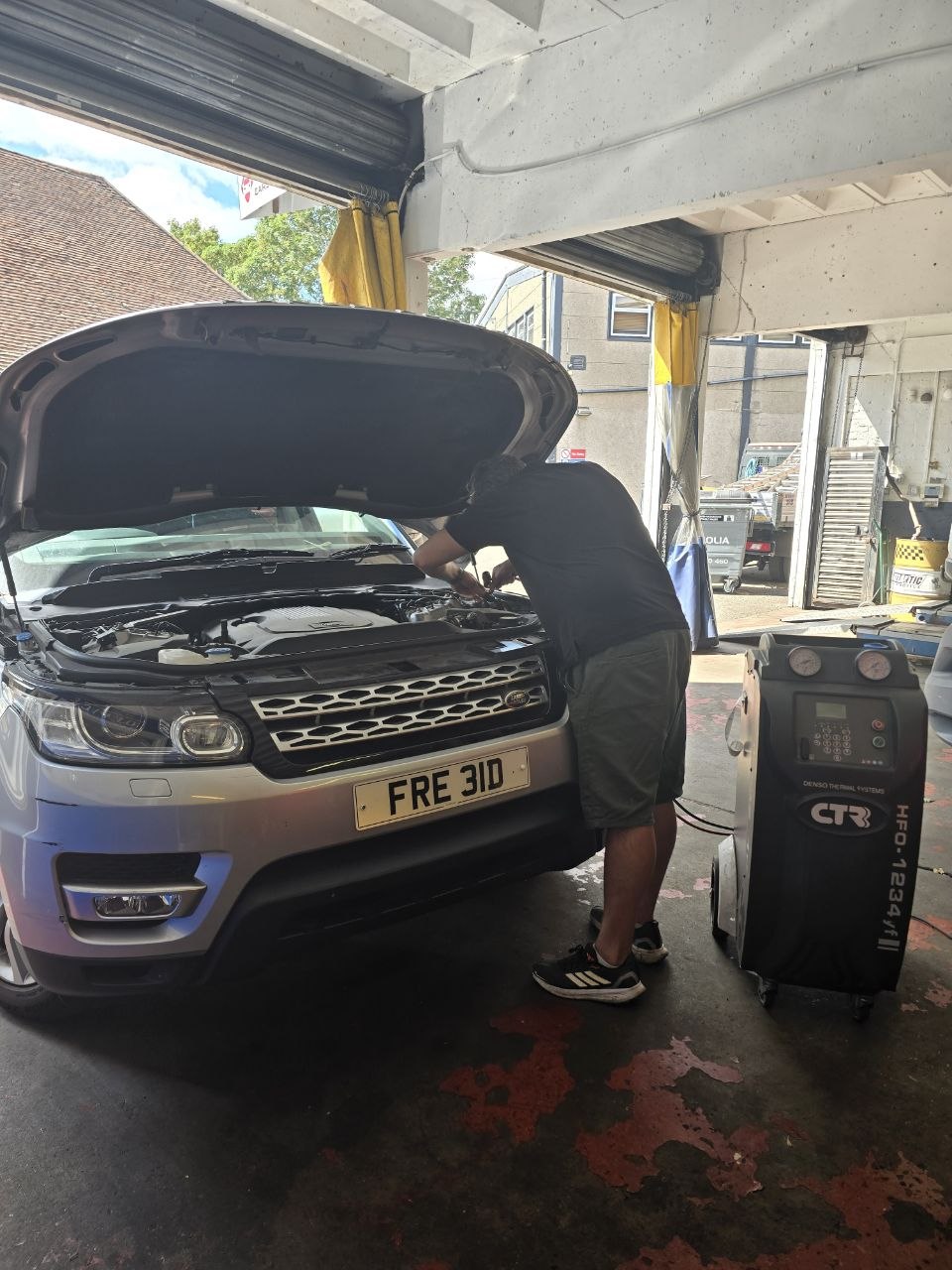
Our technicians carried out a complete system inspection before beginning the recharge process. Simply adding refrigerant without checking for leaks or pressure issues can often lead to recurring problems.
During the service we completed:
- Refrigerant recovery
- Leak detection and pressure testing
- Vacuum test
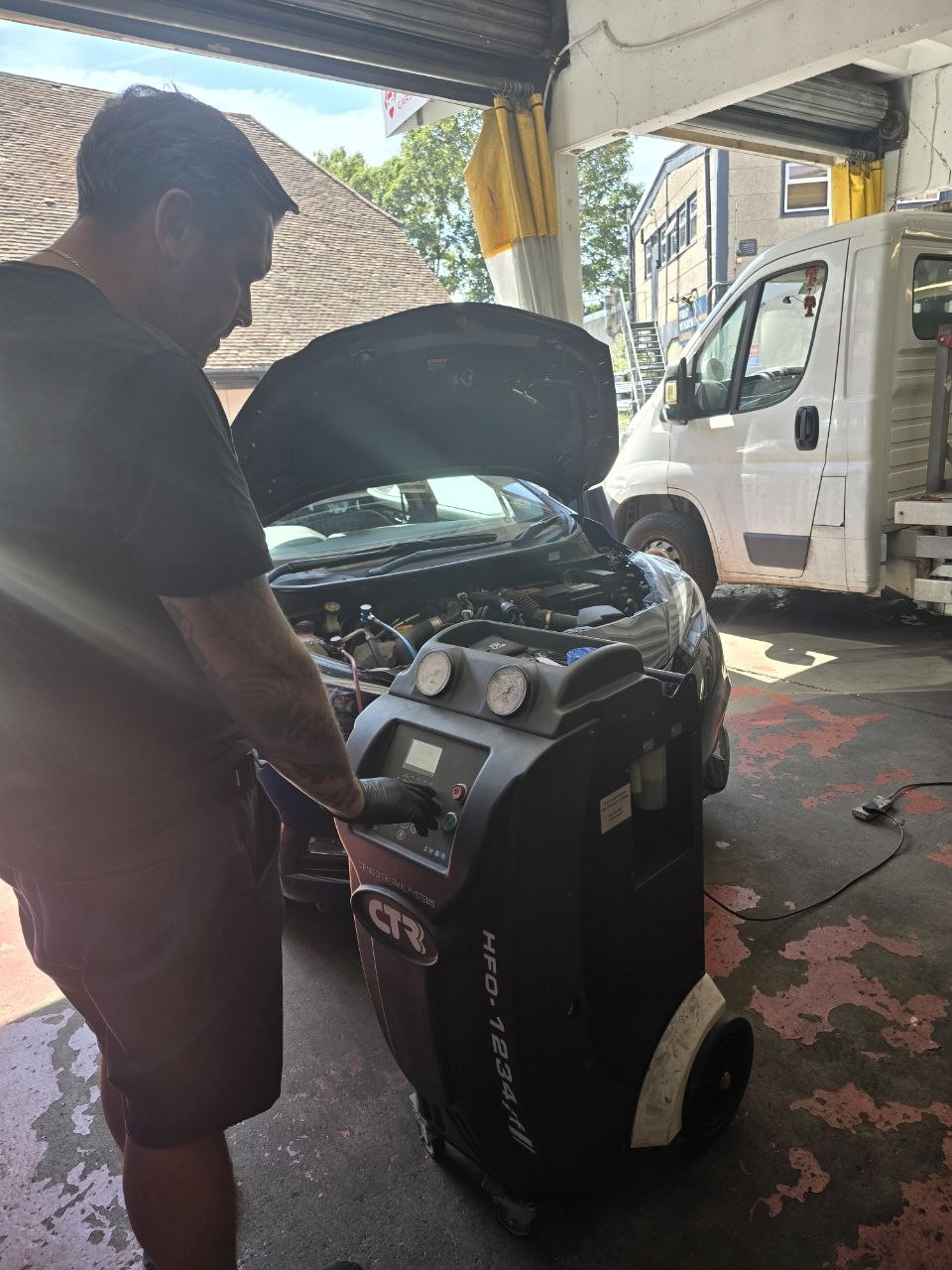
- Air conditioning recharge
- Compressor operation check
- Vent temperature testing
After recharging the system with the correct amount of refrigerant, the Audi's air conditioning returned to full efficiency, providing strong and consistent cooling.
Regular servicing helps improve cooling performance while extending the life of expensive components including the compressor, condenser and seals.
If you're searching for Audi A3 AC regas in Croydon or a trusted garage serving South London, Pit-Air Motors offers professional air conditioning servicing using the latest diagnostic and recharge equipment.
Read more about our professional Car Air Conditioning Repair service available at our Croydon workshop.
Audi A3 AC Regas – FAQ
How often should my Audi A3 air conditioning be recharged?
Most Audi A3 models should have the air conditioning serviced every 2–3 years to maintain optimum cooling and system efficiency.
Why isn't my Audi A3 air conditioning cooling properly?
Poor cooling can be caused by low refrigerant, leaks, a faulty compressor, blocked condenser or pressure sensor issues. A professional inspection is the best way to identify the fault.
How long does an Audi A3 AC regas take?
A complete air conditioning recharge, including system testing and performance checks, normally takes less than one hour.
Do you service both R134a and R1234yf air conditioning systems?
Yes. At Pit-Air Motors we service both R134a and R1234yf systems using professional equipment and manufacturer-approved procedures.