Timing Belt & Chain Replacement – FAQ
What’s the difference between a timing belt and a timing chain?
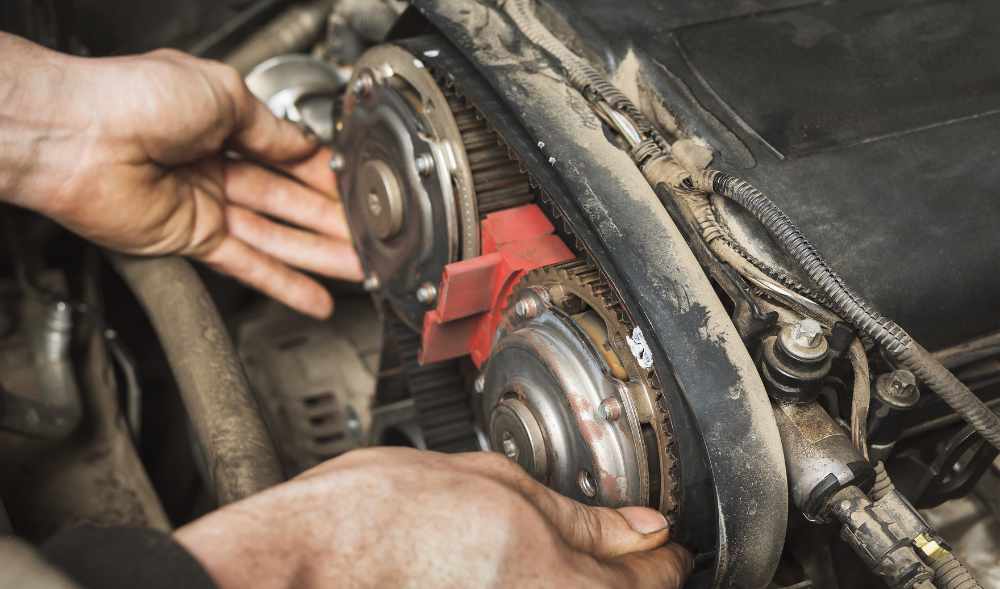
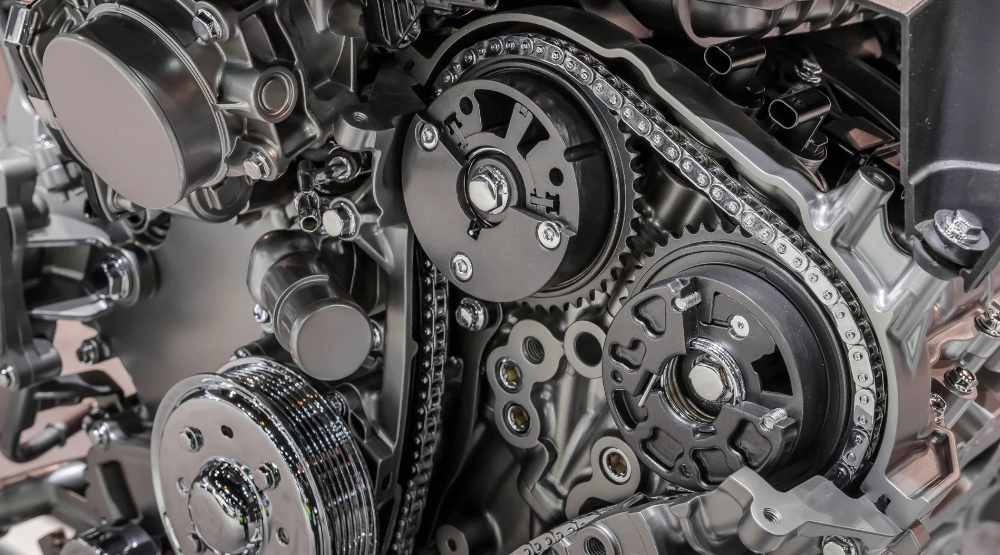
A timing belt is made of reinforced rubber and requires periodic replacement. A timing chain is metal and generally lasts much longer. At our car garage, we can check your vehicle and advise on the correct maintenance schedule.
How do I know if my timing belt needs replacing?
Timing belts usually give no warning signs before they fail. That’s why following the manufacturer’s recommended replacement interval is essential. Pit-air Motors in Croydon can check your service history and tell you exactly when it’s due.
What happens if the timing belt breaks?
A broken timing belt can cause severe engine damage, often leading to extremely costly repairs. Timely replacement is the safest way to protect your engine.
How often should a timing belt be replaced?
Most vehicles require timing belt replacement every 60,000 to 100,000 miles or every 5 to 7 years, depending on the make, model, and driving conditions in Croydon or London.
Are timing chains maintenance-free?
Not completely. Although timing chains last longer, they can still stretch or wear, causing rattling noises, poor performance, or engine warning lights. If you notice these symptoms, Pit-air Motors can diagnose the issue.
How long does a timing belt replacement take?
A standard timing belt replacement typically takes three to six hours, depending on the vehicle. Our East London technicians complete these jobs efficiently while ensuring high-quality workmanship.
Should I replace the water pump at the same time?
Yes — it is highly recommended. The water pump is usually driven by the timing belt, and replacing both together saves labour costs and prevents premature failure.
Is timing belt replacement expensive?
It can be, but it is far cheaper than repairing an engine after a belt failure. Regular maintenance is the best way to avoid unexpected, high-cost breakdowns.