
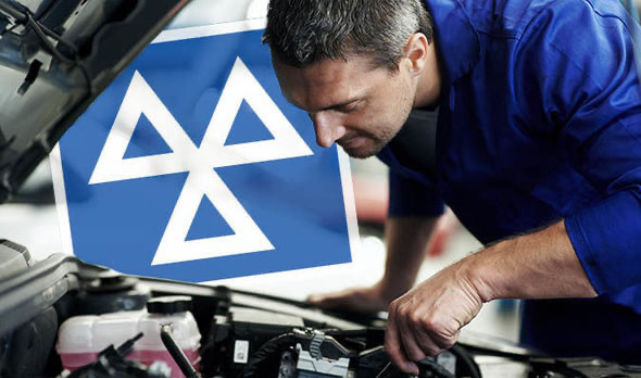
The MOT test is a legally required annual inspection for most vehicles in the UK, and it is your responsibility to ensure your vehicle undergoes this test when required. The purpose of the MOT test is to determine whether your vehicle still meets crucial road safety and environmental standards. This mandatory check plays a vital role in maintaining overall road safety for all users and protecting the environment by regulating vehicle emissions. This guide will provide clear, authoritative information to help you manage your MOT responsibilities, from knowing your due date to understanding the test results.
Luckily, independent workshops can prepare your car for the MOT testing, ensuring it meets all necessary criteria for a pass. Once you obtain an MOT certificate, it lasts for a whole year, giving you peace of mind.
What is an MOT?: A mandatory annual safety and environmental inspection for UK vehicles over three years old.
Why is it important?: Ensures vehicles meet minimum roadworthiness standards, enhancing safety for all road users.
When is it due?: Annually, after the vehicle reaches three years from its initial registration date.
How to check your MOT status: Use the free online government service with your vehicle's registration number.
What happens if it fails?: Repairs are required before the vehicle can be legally driven, with some exceptions.
Can I drive without an MOT?: It is illegal and can result in significant fines, except when driving to a pre-booked test or for repairs.
When Is Your Vehicle's MOT Due? Navigating Expiry Dates
The first MOT test must occur on the third anniversary of your car’s registration, while every subsequent test must happen on the anniversary of the last MOT. You can find this registration date in your vehicle's V5C logbook. After its first test, your vehicle must be tested every 12 months to remain legally roadworthy. It is a common misconception that there is a grace period; however, your vehicle is not legal to be on the road once the MOT expires at midnight on the due date.
To avoid missing your MOT expiry date, you have the flexibility to get the test done up to one month (minus a day) before the current certificate expires. For example, if your MOT is due on October 15th, you can have it tested any time from September 16th onwards. Passing the test within this window preserves your original renewal date for the following year, effectively giving you a 13-month certificate.
Driving a vehicle without a valid MOT certificate is a serious offence with significant legal consequences. You can be fined up to £1,000 for driving a car without a current MOT. If your vehicle failed a previous test with a "dangerous" defect, the penalties can increase to a £2,500 fine, three penalty points on your license, and a possible driving ban. The only exception to this rule is if you are driving your vehicle to a pre-booked MOT appointment or to a garage for repairs following a failure.
Preparing for Your MOT: A Comprehensive Checklist
The MOT test is a legal requirement, and it is your responsibility to ensure your vehicle is ready. While modern systems have streamlined the process, having the right information and performing some simple pre-MOT checks can significantly improve your chances of passing the first time.
For the test itself, you generally only need to bring your vehicle. MOT testing stations can now access most of the required information online. However, it is helpful to have the following:
Your vehicle's registration number: This is essential for the tester to identify your car in the system.
The vehicle itself: Ensure it is clean and accessible for inspection. An excessively cluttered or dirty interior may lead to a refusal to test.
V5C logbook: You should bring your V5C logbook if it is your vehicle's very first MOT or the first one since a number plate change.
Proactive checks can prevent common and easily avoidable failures. Before your appointment, take a few minutes to inspect these items:
Lights: Check that all exterior lights—headlights, sidelights, brake lights, indicators, and number plate lights—are functioning correctly.
Tires: Ensure tires have sufficient tread depth (at least 1.6mm across the central three-quarters) and are inflated to the correct pressure.
Windscreen and Wipers: Check for any damage in the driver's line of sight and confirm that the wipers clear the screen effectively.
Fluids: Top up screenwash, oil, and brake fluid levels.
Horn: Give a quick beep to make sure it is operational.
Frequently Asked Questions About the MOT
Navigating the MOT process can bring up several questions. Here are answers to some of the most common queries vehicle owners have.
What happens if my car fails the MOT?
If your car fails, you will receive a 'Refusal of an MOT Test Certificate' (VT30) detailing the reasons for the failure, which are categorized as 'major' or 'dangerous' defects. You cannot legally drive the vehicle if it fails with a dangerous defect. If the defects are major and your previous MOT certificate is still valid, you may drive it to a garage for repairs. Most test centres offer a partial retest at a reduced fee or for free if you have the repairs done and return the vehicle within 10 working days.
Can I drive my car if the MOT has expired?
It is illegal to drive a car with an expired MOT. The only exceptions are when driving to a pre-booked MOT test or to a garage for repairs needed to pass the test. If you are stopped by the police under any other circumstances, you face a fine of up to £1,000 and your insurance may be invalidated.
What is an MOT number and where can I find it?
The MOT number, or MOT test number, is a unique 12-digit serial number found on your MOT pass certificate. This number is a unique identifier for that specific test instance. You typically only need this number if you want to get a replacement for a lost or damaged certificate, though you can also use your vehicle's registration number and V5C logbook reference number for this purpose.
How much does an MOT cost?
The Driver and Vehicle Standards Agency (DVSA) sets a maximum legal fee for an MOT test. For a standard car, the maximum cost is £54.85. Garages cannot charge more than this for the test itself, but many offer it for a lower price to attract customers. Remember that this fee does not include the cost of any repairs needed to pass the test.