The Most Common MOT Failures in 2026: What the Latest DVSA Data Shows

More than one in four cars and light vans initially failed their MOT in the latest quarter covered by the Driver and Vehicle Standards Agency (DVSA).

The figures, published on 10 September 2026 and covering April to June 2026, show that 26.75% of Class 3 and Class 4 vehicles did not pass in the condition in which they were first presented for testing. Across more than 7.8 million initial tests, 7.25% recorded at least one dangerous defect.

The most common problems were not obscure technical faults. Lights and electrical equipment, suspension, tyres, brakes and visibility were all near the top of the list. Some of these issues can be spotted before the test with a few basic checks. Others need proper inspection, diagnosis and repair by a qualified garage.

This guide explains what the latest MOT statistics mean, why vehicles fail and what drivers can do before booking an MOT in Croydon.

At a glance: In April–June 2026, 26.75% of cars and light vans initially failed their MOT. The leading defect categories were lights and electrical equipment (9.98% of tests), suspension (8.21%), tyres (6.55%), brakes (5.83%) and visibility (4.40%).
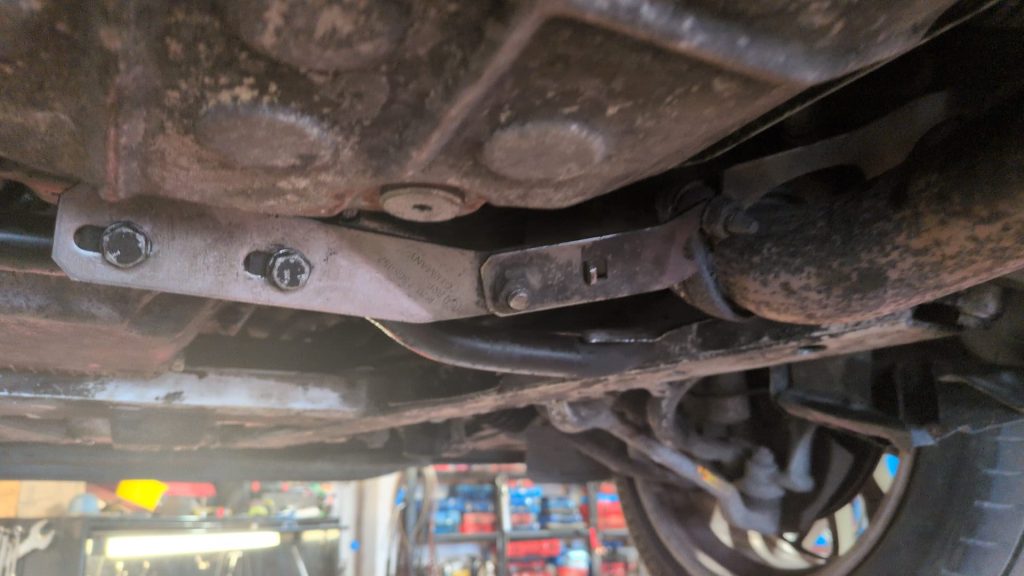
Car undergoing an MOT test at Pit-Air Motors in Croydon

What does the 26.75% MOT failure rate actually mean?

DVSA recorded 7,808,594 initial MOT tests for Class 3 and Class 4 vehicles between April and June 2026. These classes include cars and light vans up to 3,000kg, as well as some three-wheeled vehicles.

The initial fail rate of 26.75% describes vehicles as they arrived for their MOT. It includes vehicles that were subsequently able to pass after minor defects were corrected at the test station. The final fail rate was therefore lower than the initial figure.

This distinction matters. The data does not mean that every vehicle counted in the 26.75% had to leave the garage with a failed MOT. It does mean that more than a quarter arrived with at least one issue that prevented an immediate pass.

DVSA also reports an average of 2.39 defects per initial failed test. In other words, a failed vehicle often has more than one problem. A car might, for example, have a failed bulb, a worn tyre and ineffective windscreen washers recorded during the same test.

That is also why the defect-category percentages below do not add up to 26.75%. The categories overlap because one vehicle can appear in several of them.

The DVSA dataset is operational data rather than an “official statistic” assessed by the UK Statistics Authority, but it remains the most relevant national source for understanding current MOT outcomes in Great Britain.

The most common MOT failure categories in the latest DVSA data

Defect categoryPercentage of all tests with at least one defect in the category
Lamps, reflectors and electrical equipment9.98%
Suspension8.21%
Tyres6.55%
Brakes5.83%
Visibility4.40%
Body, chassis and structure3.08%
Noise, emissions and leaks3.04%
Steering1.81%
Seat belts and supplementary restraint systems0.90%
Vehicle identification0.32%

These figures are percentages of all initial tests, not percentages of failed vehicles. They indicate how frequently at least one defect from each category was found.

1. Lamps, reflectors and electrical equipment - 9.98% of tests

Lights and electrical equipment formed the most common defect category, appearing in almost one in ten initial tests.

The category is broader than a single blown bulb. Depending on the vehicle and the equipment fitted, an MOT tester may examine:

A bulb can stop working without creating an obvious change from the driver’s seat. Headlamp aim can also become incorrect after a minor impact, replacement lamp installation or suspension change. Corroded connections, damaged lamp housings and intermittent wiring faults may require more than simply changing a bulb.

What you can check before the MOT

Ask another person to walk around the vehicle while you operate the lights, indicators, hazards and brake pedal. Check the number plate lamps as well as the more obvious headlights and rear lights. Look for cracked lenses, lamps containing water and warning lights that remain illuminated after the engine starts.

Do not assume that clearing a fault code or warning lamp without fixing its cause will solve the problem. If a warning returns, the underlying system should be diagnosed.
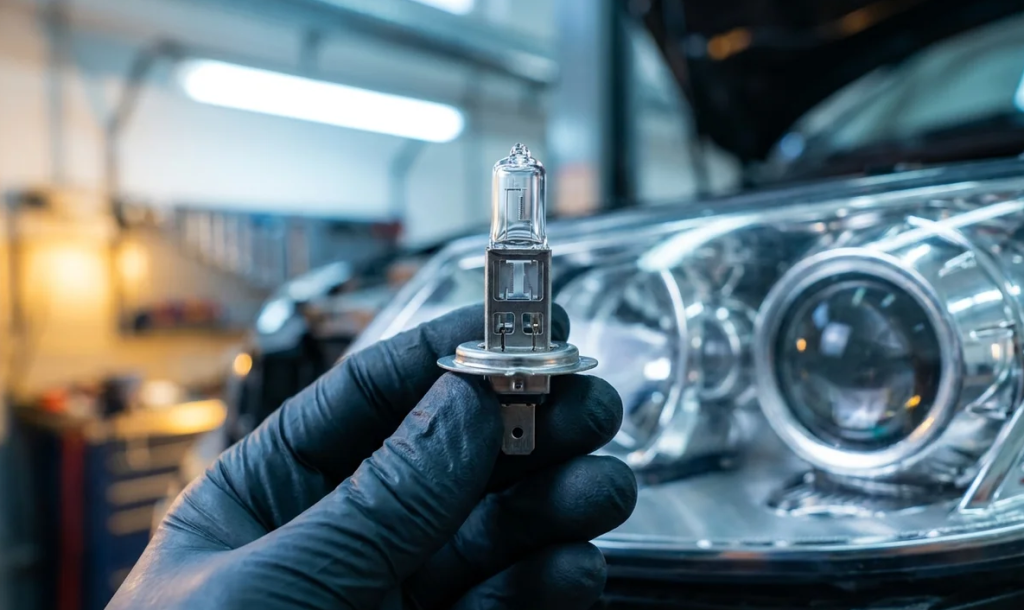
MOT lights and electrical checks in a Croydon garage

2. Suspension - 8.21% of tests

Suspension defects appeared in 8.21% of all initial tests, making suspension the second most frequent category in the latest data.

The suspension system helps keep the tyres in contact with the road and allows the vehicle to remain stable during braking, steering and cornering. MOT problems can involve components such as springs, shock absorbers, suspension arms, bushes, ball joints and mountings.

Wear often develops gradually, so a driver can become accustomed to a vehicle’s changing behaviour. Warning signs may include:

These symptoms do not identify the faulty part by themselves. A knock can have several possible causes, which is why a physical inspection is important.

What you can do before the MOT

Pay attention to new noises and changes in ride or handling rather than waiting for the test to reveal them. If the vehicle sits unevenly, feels unstable or produces repeated knocking noises, arrange an inspection. Do not crawl beneath a vehicle that is supported only by a jack.

3. Tyres - 6.55% of tests

Tyre defects were found in 6.55% of initial tests. They are especially important because the DVSA data shows tyres are a major source of dangerous defects.

For cars and light vans, the legal minimum tread depth is 1.6mm across the central three-quarters of the tyre and around its entire circumference. However, tread depth is only one part of an MOT tyre inspection.

A vehicle may fail because of:

Uneven wear can also point to an alignment, steering or suspension issue. Checking only one point on the tyre can therefore miss a problem on the inner edge.

What you can check before the MOT

Inspect all four tyres in good light, including as much of the inner and outer edges as you can see safely. Look for cracking, cuts, bulges and embedded objects. Check pressures when the tyres are cold and follow the vehicle manufacturer’s specification rather than the number printed as the maximum on the tyre sidewall.

If a tyre is visibly damaged, losing pressure or close to the legal limit, have it professionally assessed. A damaged tyre is a safety issue, not simply an MOT inconvenience.
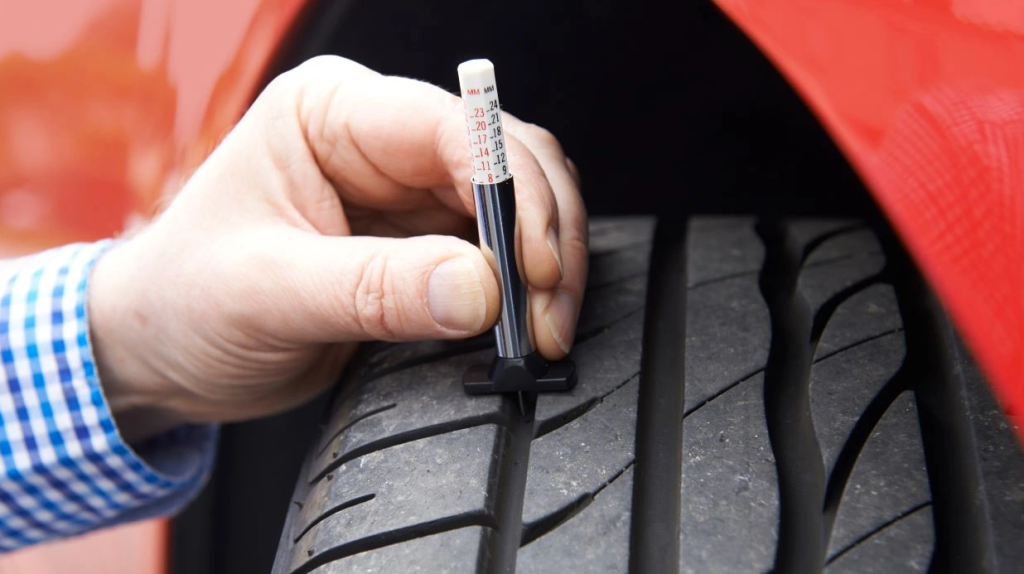
Checking tyre tread depth before an MOT test

4. Brakes - 5.83% of tests

At least one brake defect appeared in 5.83% of all initial tests. Brake problems can relate to braking performance as well as the condition and operation of individual components.

The inspection can identify issues involving:

Some brake wear is difficult to judge without lifting the vehicle or removing components. Drivers should nevertheless take symptoms seriously, including grinding or scraping sounds, vibration under braking, a change in pedal feel, a vehicle pulling to one side, a parking brake that does not hold properly, or a brake warning light. Brake replacement page.

What you should do before the MOT

If the brakes feel different, make an unusual noise or display a warning light, book an inspection rather than waiting for the MOT. Do not continue driving a vehicle if you suspect the braking system is unsafe.
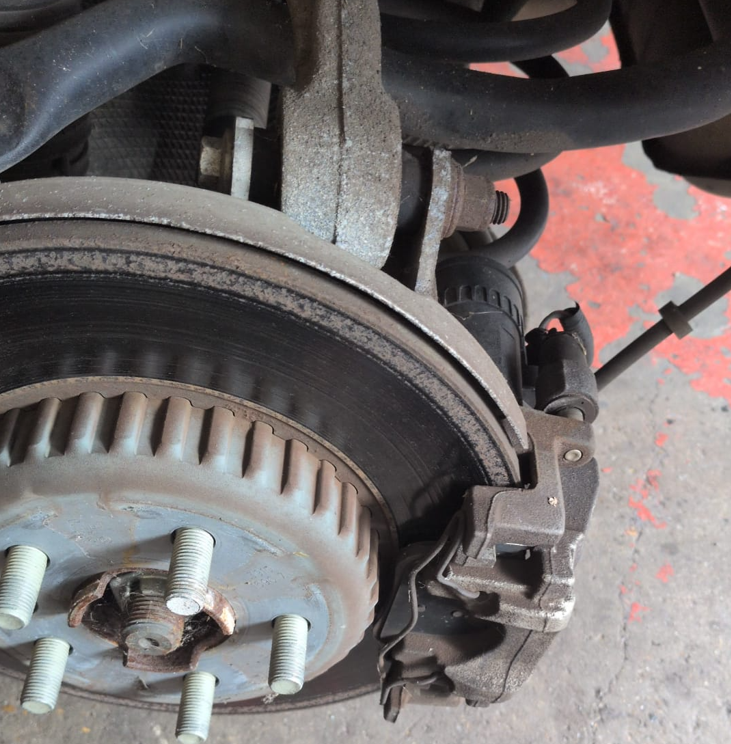
Brake and suspension inspection before an MOT in Croydon

5. Visibility — 4.40% of tests

Visibility defects were recorded in 4.40% of initial tests. This category covers the equipment and vehicle condition needed to give the driver a clear view of the road.

Common problem areas include:

Wiper blades often deteriorate slowly, leaving streaks or unwiped sections that become particularly obvious in heavy rain or low sun. Washer jets can also become blocked or misaligned.

What you can check before the MOT

Clean the windscreen inside and outside, top up the washer fluid, test the washers and inspect the full sweep of the wipers. Replace blades that split, judder or leave significant streaks. Check the mirrors are secure and usable.

If the windscreen has a chip or crack, ask a professional whether it is repairable. The MOT outcome depends on the damage’s size and position, so a generic online answer may not apply to the specific vehicle.

6. Body, chassis and structure — 3.08% of tests

Defects involving the body, chassis or structure appeared in 3.08% of tests.

An MOT tester looks for serious corrosion, damage, insecure panels and structural problems that could affect the vehicle’s safety. Particular concern arises when corrosion or damage is close to important components or prescribed structural areas. Sharp edges created by accident damage or corrosion can also be relevant.

Surface rust does not automatically mean an MOT failure. The significance depends on its extent, location and effect on structural strength. A proper inspection is the safest way to establish whether repair is needed.

What to look for

Do not ignore spreading corrosion, loose body panels, damaged bumpers or sharp exposed edges. If the vehicle has suffered an impact - even at low speed -check that doors, bonnet and boot close correctly and that nothing is loose or likely to detach.

7. Noise, emissions and leaks -3.04% of tests

Noise, emissions and leak-related defects occurred in 3.04% of initial tests. This category is increasingly relevant as vehicles use more complex emissions-control systems.

Possible problems include:

An emissions failure can have many causes. A warning light or high reading does not automatically mean that one particular component needs replacement. Effective repair begins with diagnosis, which may include fault-code reading, live data, physical inspection and appropriate testing.

What you can do before the MOT

Do not ignore an engine-management or emissions warning light. If a diesel vehicle repeatedly struggles to DPF regeneration , produces unusual smoke, loses power or enters limp mode, arrange diagnosis. Simply clearing codes immediately before the MOT does not repair the fault.

Also investigate fresh fluid beneath the vehicle. Water from air conditioning can be normal, but oil, coolant, brake fluid and fuel leaks require attention.
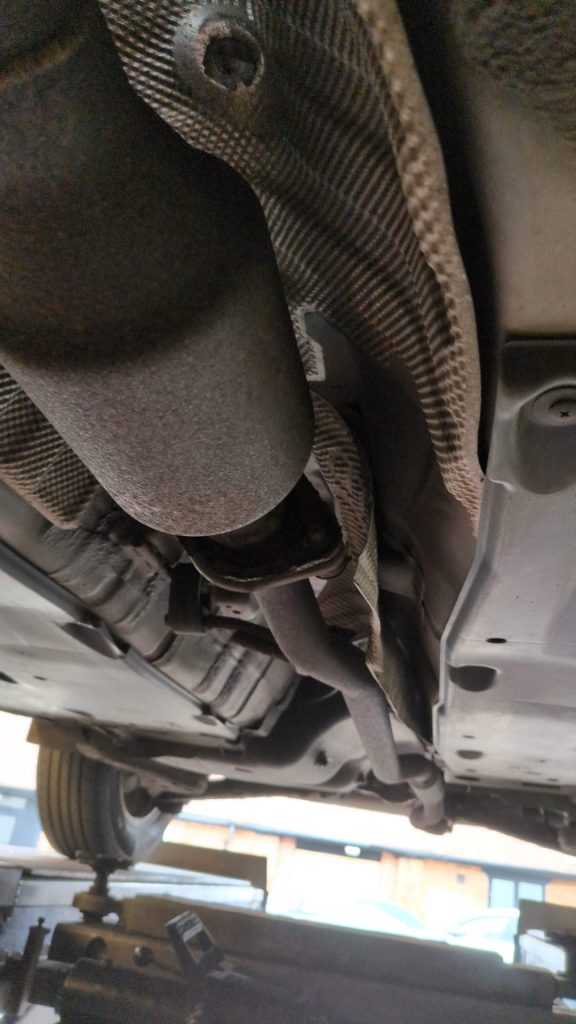
Vehicle emissions and diagnostic checks at Pit-Air Motors

Other MOT failure reasons drivers should not overlook

The highest-percentage categories deserve attention, but less frequent defects can still cause a failure.

Steering - 1.81%

Steering defects may involve excessive play, damaged components, power-steering problems or warning indicators. Seek an inspection if the steering feels unusually heavy, vague, noisy or inconsistent, or if the vehicle does not track normally.

Seat belts and restraint systems - 0.90%

Seat belts must be present where required, secure and able to latch and release correctly. Check that each belt pulls out, clicks into its buckle and retracts. Relevant airbag or supplementary restraint-system warning lamps can also affect the result.

Vehicle identification - 0.32%

This category includes issues such as a missing, unreadable or non-compliant registration plate or vehicle identification number. Incorrectly displayed registration plates can lead to an MOT failure and a fine of up to £1,000.

Before the test, make sure both number plates are present, secure, clean and readable. Do not alter the spacing or appearance of the characters to create a word or make the registration difficult to identify.

Why dangerous MOT defects matter

The latest DVSA data shows that 7.25% of initial tests recorded at least one dangerous defect. That is more than one in fourteen tests.

MOT defects are classified according to their seriousness. A vehicle fails if it receives a major or dangerous defect. A dangerous defect means the vehicle presents a direct and immediate risk to road safety or has a serious environmental impact.

According to GOV.UK, you can take a failed vehicle away only if its existing MOT remains valid and the test has not recorded a dangerous defect. Even then, the vehicle must remain roadworthy. A valid MOT certificate is not a guarantee that a vehicle is safe to drive today.

If a dangerous defect is recorded, the vehicle must be repaired before it is driven. Driving a vehicle that has failed because of a dangerous problem can lead to a fine of up to £2,500, a driving ban and three penalty points.

When there is any doubt, ask the test centre to explain the result and the safe next step for the vehicle.

A practical pre-MOT checklist

No home checklist can guarantee a pass, and it cannot replace a professional inspection. It can, however, help drivers find several visible or easily tested problems before the appointment.

One week before the MOT

The day before the MOT

What not to attempt yourself

Brake, suspension, steering and emissions faults often need equipment, safe vehicle lifting and technical knowledge. Do not work beneath a vehicle supported only by a jack, and do not continue driving if the vehicle may be unsafe.

An MOT is not the same as a service

An MOT is a statutory inspection of specific road-safety and environmental items at the time of the test. It does not replace routine servicing and does not assess every aspect of the vehicle’s mechanical condition.

A car can pass its MOT and still be overdue for an oil change, filter replacement, manufacturer-specified maintenance or investigation of a developing problem. Equally, a recently serviced vehicle is not guaranteed to pass its MOT if it has a testable defect.

Combining regular servicing with checks before the MOT can reduce unpleasant surprises and help identify wear before it becomes a larger repair or a safety risk.

What happens if your car fails its MOT?

The test centre will record the result and provide details of the defects. The next step depends on the severity of the faults, whether the current MOT is still valid and where the repairs are carried out.

If the vehicle is left at the test centre for repairs and receives a partial retest within 10 working days, GOV.UK states that the partial retest is free. If the vehicle is taken away and returned to the same centre by the end of the next working day, a free partial retest is available for a specified list of items, including lamps, mirrors, registration plates, wipers, washers, wheels and tyres. If it is returned within 10 working days after repairs elsewhere, a partial retest fee may apply.

Outside those conditions, a full MOT retest and full fee may be required. Always confirm the arrangements with the test centre because the correct route depends on the defects and timing.

Book an MOT in Croydon with Pit-Air Motors

The latest figures show why an MOT should not be treated as a once-a-year formality. Visible items such as lights, tyres and wipers account for many defects, while suspension, brakes and emissions problems require proper inspection and diagnosis.

If your MOT is due, Pit-Air Motors can test your vehicle in Croydon and explain the result clearly. If a fault is found, our workshop can assess the repair requirements and discuss the available options before work begins.

Book early if you rely on your vehicle for work, school runs or daily travel. You can have an MOT up to one month minus one day before the current certificate expires and keep the same annual renewal date.

BOOK YOUR MOT

Frequently asked questions about MOT failures

What percentage of cars fail their MOT?

In the latest DVSA quarterly data, covering April to June 2026, 26.75% of Class 3 and Class 4 vehicles initially failed. The figure describes vehicles as they were first presented and includes some that subsequently passed after minor defects were corrected at the test station.

What is the most common reason for failing an MOT?

The largest defect category in the latest DVSA data was lamps, reflectors and electrical equipment, found in 9.98% of all initial tests. Suspension was next at 8.21%, followed by tyres at 6.55%, brakes at 5.83% and visibility at 4.40%.

Can I drive my car after it fails its MOT?

You can take it away only if the existing MOT is still valid and no dangerous defect was recorded. The vehicle must still be roadworthy. If the MOT has expired, the driving exceptions are limited, such as travelling to a pre-arranged MOT or to or from repairs, and the vehicle must still meet minimum roadworthiness standards. If a dangerous defect is recorded, it must be repaired before the vehicle is driven.

Can I get my MOT done early without losing time on the certificate?

Yes. You can normally have the test up to one month minus one day before the current MOT expires and keep the same renewal date. If you test earlier than that, the next expiry date will change.

Will a warning light cause an MOT failure?

Some warning lamps are included in the MOT inspection and can result in a failure when they indicate a relevant malfunction. The exact outcome depends on the system, vehicle and nature of the fault. Have persistent warning lights diagnosed rather than simply clearing them.

Does a pre-MOT check guarantee a pass?

No. A check can identify many common issues, but the formal MOT must be carried out by an authorised test centre and defects can be discovered during the test. A pre MOT inspection is most useful when the vehicle already shows symptoms, has advisories from its previous MOT or has not been maintained regularly.

Is an MOT the same as a car service?

No. The MOT checks specified safety and environmental requirements. A service follows maintenance procedures and intervals, such as changing fluids and filters and inspecting wear. A vehicle needs both MOT testing when legally required and appropriate ongoing maintenance.


Sources

Volvo XC90 T8 Hybrid Major Service and Repairs at 110,000 Miles

What maintenance does a 2017 Volvo XC90 T8 Hybrid require after reaching approximately 110,000 miles?

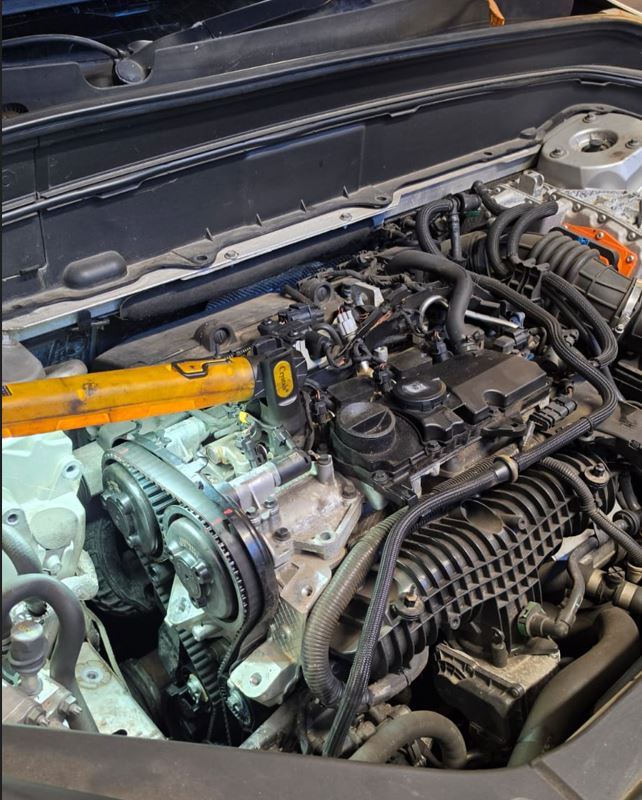
This Volvo XC90 T8 Hybrid arrived at our Croydon workshop for an extensive mechanical inspection, preventative maintenance and several necessary repairs. The vehicle had covered approximately 110,000 miles and, although it was still driving, a number of important drivetrain, suspension, steering and servicing items required attention.

Interestingly, the owner found our workshop after searching online for car repair near me. Despite living in West London, he decided to bring the vehicle across London to our Croydon garage because he wanted the work completed thoroughly, including maintenance items that are frequently overlooked on Volvo plug-in hybrids.

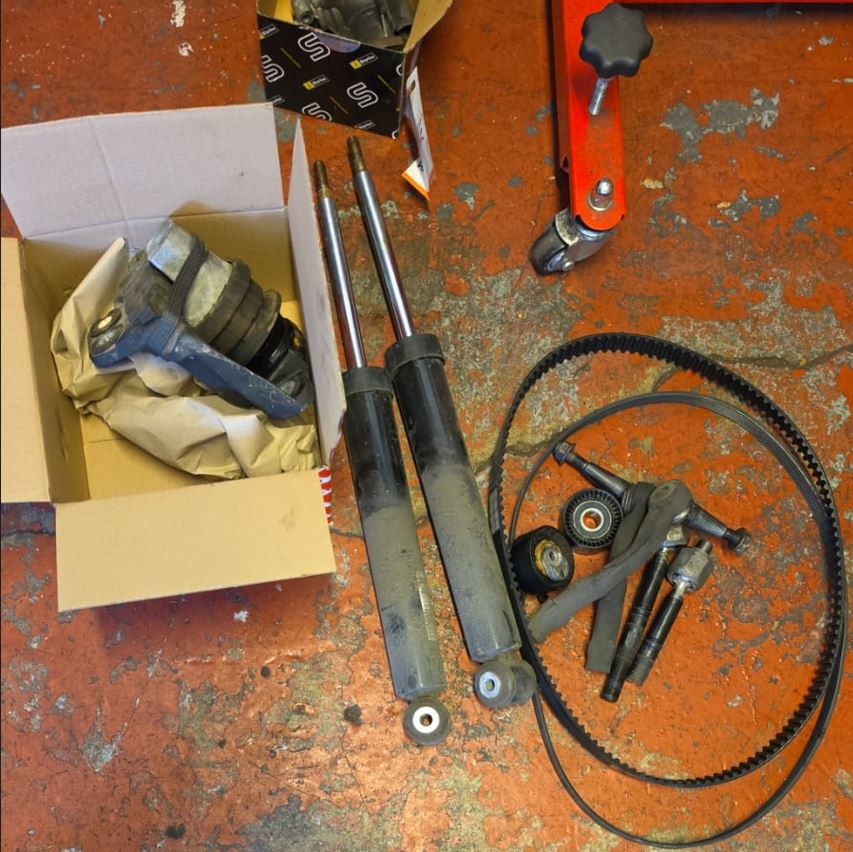
The completed work included:

Does the Volvo XC90 T8 have a timing belt?

Yes. The 2.0-litre petrol engine fitted to this generation of Volvo XC90 T8 uses a timing belt. At this mileage, the condition and service history of the belt, tensioners and associated components should never be ignored.

As part of this repair, we completed a full Volvo XC90 timing belt replacement, including the complete timing belt kit rather than replacing only the belt itself. We also replaced the auxiliary drive belt while access to this area of the engine was available.

A worn timing belt, damaged tensioner or seized pulley can lead to serious internal engine damage. Replacing the complete kit is therefore far more sensible than trying to save a relatively small amount by changing only one component.

What was the component replaced next to the timing belt cover?

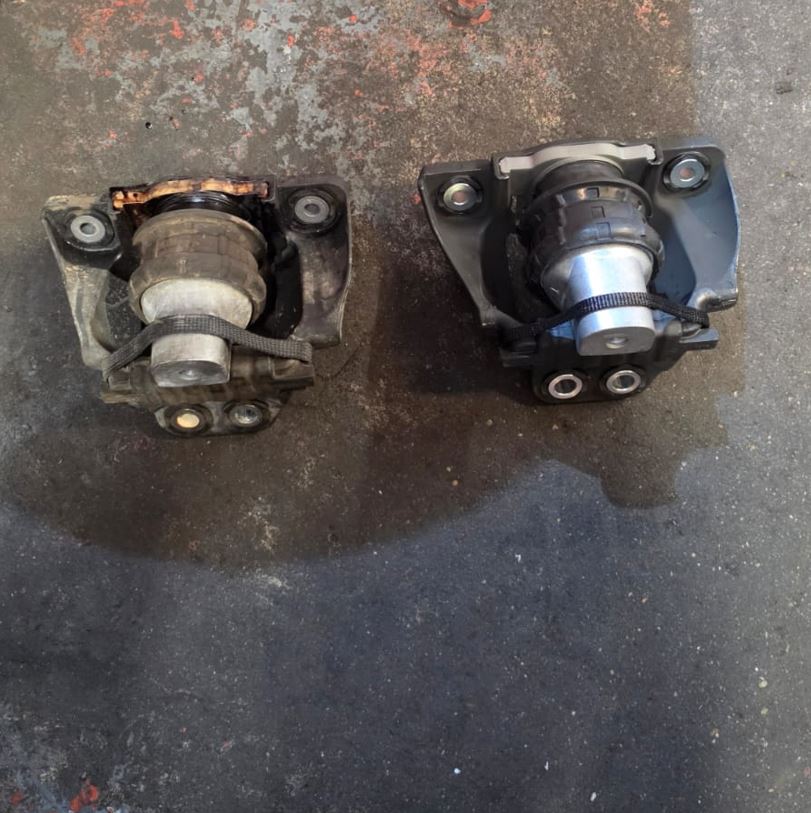
The damaged part visible in the photographs is the right-hand hydraulic engine mount located on the timing belt side of the engine.

An engine mount supports the power unit while isolating vibration from the vehicle’s body. Hydraulic mounts contain fluid and are designed to absorb more movement than a basic solid rubber mounting. With age and mileage, the rubber can split, the mount can collapse or the hydraulic fluid can leak.

Common symptoms of a worn engine mount include:

This is particularly noticeable in a hybrid because the petrol engine repeatedly starts and stops during normal operation. The worn right-hand engine mount on this XC90 was replaced with a new unit.

volvo xc90 t8 hybrid timing belt replacement

Why is ERAD oil replacement so important on a Volvo T8 Hybrid?

ERAD stands for Electric Rear Axle Drive. It is the rear electric drive unit used in the Volvo XC90 T8 plug-in hybrid system.

The petrol engine primarily drives the front axle, while the electric motor and ERAD system provide drive to the rear wheels. When the vehicle is operating electrically, the torque required to move a large and heavy SUV is transmitted through this compact rear drive assembly.

That means the ERAD is not simply a small accessory motor. It is an important part of the vehicle’s drivetrain and must transfer the electric motor’s power to the rear wheels. Its internal bearings, gears and other moving components depend on a relatively small quantity of oil for lubrication, cooling and protection.

Unfortunately, ERAD oil is one of the most frequently forgotten fluids in Volvo T8 models. It is often described as a lifetime fluid or simply does not appear as a clearly defined replacement item during routine servicing. As a result, many owners service the engine and gearbox but never consider the oil inside the electric rear axle drive.

The problem is usually noticed only after the ERAD begins making noise, develops internal wear or fails completely. Depending on the exact model, parts required and extent of the damage, replacing the complete ERAD assembly can potentially cost approximately £5,000–£7,000.

Our preventative recommendation is to replace the ERAD oil approximately every 60,000 miles, even though Volvo does not officially confirm a fixed 60,000-mile replacement interval for this system.

The cost of an ERAD oil change is very small compared with the potential cost of replacing the complete unit. The system uses less than approximately one litre of oil, so there is little sense in leaving old and contaminated lubricant inside such an expensive drivetrain component.

Fresh oil cannot guarantee that an ERAD will never fail, especially if internal damage has already started. However, regular replacement helps ensure that the gears and bearings receive clean, correctly specified lubrication. It is a sensible preventative measure that may significantly reduce avoidable wear.

If you own an XC90 T8, XC60 T8, V90 T8 or another Volvo plug-in hybrid equipped with an ERAD, this is a maintenance item worth discussing with a garage experienced in hybrid drivetrain servicing.

Should the automatic gearbox oil be changed?

The automatic gearbox oil was flushed and replaced during this service.

Over time, transmission fluid is exposed to heat, pressure and contamination from normal internal wear. As the fluid deteriorates, it may lose some of its lubricating and hydraulic properties.

Owners may begin to notice:

Replacing the gearbox oil cannot repair existing mechanical damage, but changing old fluid before serious symptoms develop can help protect the transmission and maintain smoother operation.

At 110,000 miles, the gearbox condition, service history and existing fluid should be assessed rather than assuming the original oil will remain suitable indefinitely.

Why was the transfer case oil also replaced?

The transfer case forms another important part of the drivetrain. Its oil lubricates the internal gears, bearings and contact surfaces.

Like ERAD and gearbox oil, transfer case oil is easy to overlook because it is not replaced during a basic engine service. However, the fluid still ages and can collect contamination from normal wear.

Replacing it is relatively inexpensive compared with repairing or replacing a damaged transfer case. On a high-mileage, technically complex vehicle such as the XC90 T8, servicing every major drivetrain fluid provides much better protection than focusing only on the engine.

What suspension work was required?

Both rear shock absorbers were replaced.

Shock absorbers control the movement of the suspension and help keep the tyres in stable contact with the road. Worn rear shocks can affect braking stability, cornering, tyre wear and overall ride quality.

Typical symptoms include:

Because shock absorbers on the same axle experience similar mileage and working conditions, they should normally be replaced in pairs. Completing the shock absorber replacement on both sides ensures balanced suspension performance.

This was an important part of the overall suspension car repair, restoring better control and stability to a large, heavy hybrid SUV.

Why were the inner and outer tie rods replaced?

The inspection found wear in both the inner and outer steering tie rod components.

Tie rods connect the steering rack to the wheel hubs and transfer the driver’s steering input to the front wheels. Wear in the joints can create free play, inaccurate steering and uneven tyre wear.

Possible warning signs include:

When completing steering repair Croydon customers should always ensure that the cause of steering play is properly identified. Adjusting alignment alone will not repair worn tie rods or damaged steering joints.

Is wheel alignment required after replacing tie rods?

Yes. Wheel alignment is essential after replacing inner or outer tie rods because these components directly control the toe angle of the front wheels.

Even when the new parts are installed in approximately the same position as the old components, small differences can significantly alter the alignment.

Driving without correcting it can cause:

After completing the steering repairs, we carried out a full wheel alignment to ensure the wheels were correctly positioned and the vehicle drove as intended.

Why was the right wheel hub bearing replaced?

The right-hand wheel hub bearing had developed wear and required replacement.

A worn hub bearing can produce a humming or rumbling noise that becomes louder as road speed increases. The sound may change when the vehicle turns because the load on the bearing changes.

If ignored, excessive bearing wear may create wheel movement, affect braking and interfere with wheel-speed sensor readings. Replacing the complete hub bearing assembly removes the play and restores smooth wheel rotation.

What work was completed on the driveshafts?

The right driveshaft axle was replaced due to its condition, while the oil seal on the left axle was also renewed.

Driveshafts transfer torque from the drivetrain to the wheels. Wear in the joints can result in clicking noises, vibration during acceleration or movement within the drivetrain.

The left axle oil seal was replaced to prevent transmission or drivetrain oil from escaping around the point where the driveshaft enters the housing. Even a relatively small leak should not be ignored because a low fluid level can eventually cause expensive internal damage.

After completing the work, the area was checked to ensure that the new seal was seated correctly and no further leakage was present.

What was included in the engine service?

The vehicle received a complete engine service, including:

The correct specification of engine oil is especially important in the Volvo T8’s turbocharged and supercharged petrol engine. A hybrid may complete part of every journey electrically, but the petrol engine can still experience frequent cold starts and repeated start-stop cycles.

Regular engine servicing remains essential even when a large percentage of the vehicle’s mileage is completed in electric mode.

What should XC90 T8 owners check at around 100,000–110,000 miles?

Every vehicle should be inspected individually, but owners should consider checking:

A cheap basic service is not the same as a proper high-mileage inspection. The XC90 T8 combines a petrol engine, automatic gearbox, high-voltage hybrid system, electric rear axle drive and a complex all-wheel-drive arrangement. Each system needs to be considered separately.

Volvo XC90 T8 Hybrid repair in Croydon

This customer initially searched for car repair near me, but ultimately travelled from West London to our workshop in Croydon because he wanted a thorough inspection and preventative approach rather than only replacing the most obvious failed component.

The completed work addressed the engine, timing system, gearbox, ERAD, transfer case, steering, suspension, wheel bearing and driveshaft system. Most importantly, it also included replacement of the often-forgotten ERAD oil.

If you own a Volvo XC90 T8 and are unsure about its maintenance history, waiting for a warning light or serious mechanical noise can become extremely expensive. A detailed inspection and sensible preventative maintenance may identify developing problems before they lead to a major failure.

For professional car repair Croydon, Volvo hybrid maintenance, timing belt replacement, suspension work and steering repairs in Croydon, contact our workshop to arrange an inspection.

Range Rover Sport HSE SDV6 Auto Air Conditioning Regas | Professional AC Service

Range Rover Sport HSE SDV6 Auto Air Conditioning Regas – Premium Comfort Starts with a Healthy AC System

The Range Rover Sport HSE SDV6 Auto is built to deliver refinement, comfort and effortless long-distance driving. A properly functioning air conditioning system plays a vital role in that experience, keeping the cabin cool in summer, helping to demist the windows in winter and maintaining excellent air quality all year round.

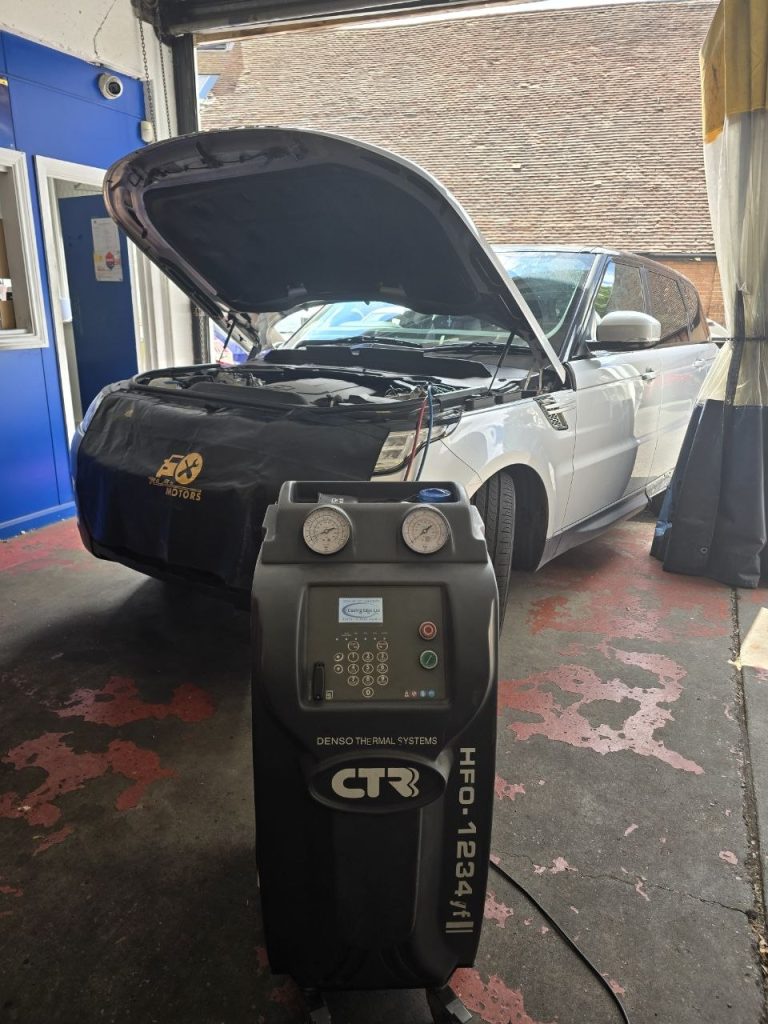
Recently, we carried out an car air conditioning regas on a Land Rover Range Rover Sport HSE SDV6 Auto, restoring the system to peak performance and ensuring reliable cooling for many miles ahead.


Why Air Conditioning Performance Declines Over Time

Many vehicle owners expect the AC system to work perfectly for the life of the car. In reality, every system naturally loses a small amount of refrigerant each year through microscopic seepage around seals and hose connections.

As refrigerant levels fall:

Regular servicing helps maintain optimum performance and protects expensive components.


Signs Your Range Rover Sport May Need an Air Conditioning Regas

Watch for these common symptoms:

✔ Air isn't as cold as it used to be.

✔ Cooling performance drops during hot weather.

✔ The cabin takes much longer to reach a comfortable temperature.

✔ Windows take longer to demist.

✔ Air conditioning cycles on and off more frequently.

✔ Unpleasant smells from the ventilation system.

✔ Reduced cooling while stationary in traffic.

These warning signs often appear gradually and are easy to overlook until the system becomes noticeably less effective.

Range Rover Sport Air Conditioning Regas

Common Air Conditioning Problems on the Range Rover Sport

As these vehicles age, several AC components can naturally wear or deteriorate.

Typical issues include:

Many of these issues can be identified during routine servicing before they develop into expensive repairs.


Why Refrigerant Is More Important Than Many Drivers Realise

Refrigerant is responsible for much more than producing cold air.

It also carries the specialist oil that lubricates the compressor and protects its internal components.

When refrigerant levels become too low:

Keeping the correct refrigerant charge helps maximise both performance and reliability.


Don't Overlook the Cabin Pollen Filter

Even if the AC system is operating correctly, a clogged cabin filter can significantly reduce airflow.

A blocked filter may cause:

Replacing the filter regularly helps maintain both comfort and ventilation performance.


Eliminate Unpleasant Odours

If you notice a damp or musty smell when switching on the air conditioning, bacteria and mould may be growing on the evaporator.

Professional antibacterial treatment helps to:

This is especially worthwhile if the vehicle is used regularly for family journeys or long-distance travel.


Simple Maintenance Tips

To help your AC system last longer:

Preventative servicing is almost always more cost-effective than replacing major air conditioning components.


Professional Air Conditioning Service

At Pit-Air Motors we use professional servicing equipment to:

Every service is carried out with care to help maintain long-term reliability and manufacturer-level performance.


If your Land Rover Range Rover Sport HSE SDV6 Auto is no longer producing cold air or your air conditioning isn't performing as it should, having the system professionally serviced at the first sign of reduced performance can help prevent costly repairs and keep every journey comfortable throughout the year.

Nissan Micra Acenta IG-T Air Conditioning Regas | Professional AC Service

Nissan Micra Acenta IG-T Air Conditioning Regas – Keeping Your Cabin Cool and Comfortable

A reliable air conditioning system is essential for comfortable driving throughout the year. Whether you're commuting through London traffic or heading out on a longer journey, properly functioning air conditioning not only keeps the cabin cool but also helps clear misted windows and improves overall driving comfort.

Recently, we completed an air conditioning regas on a Nissan Micra Acenta IG-T, restoring the system's cooling performance and ensuring it was operating efficiently.


Why Does Air Conditioning Need Regassing?

Many drivers are surprised to learn that vehicle air conditioning systems naturally lose a small amount of refrigerant over time.

Even in a perfectly functioning system, tiny amounts of refrigerant escape through seals and hose connections each year. As refrigerant levels decrease, cooling performance gradually declines and the compressor has to work much harder.

Manufacturers generally recommend servicing the air conditioning system every 2–3 years to maintain peak performance.


Signs Your Nissan Micra May Need an Air Conditioning Service

Common symptoms include:

✔ Air no longer feels as cold.

✔ Cooling takes much longer than before.

✔ The cabin struggles to cool during warm weather.

✔ Windows take longer to demist.

✔ Air conditioning switches on and off frequently.

✔ Unpleasant smells from the dashboard vents.

✔ Reduced cooling while the vehicle is stationary.

These issues often develop slowly, making them easy to overlook until cooling performance becomes noticeably poor.


Common Air Conditioning Problems on the Nissan Micra

As the vehicle ages, several components may naturally wear or become less efficient.

Typical issues include:

Most of these faults can be identified during a professional inspection before they develop into more expensive repairs.


Why Refrigerant Is So Important

Refrigerant doesn't simply cool the air.

It also carries lubricating oil around the AC system, protecting the compressor from excessive wear.

If refrigerant levels become too low:

Routine servicing helps keep every component operating correctly.


Replace the Cabin Filter Too

A cabin pollen filter has a major effect on how efficiently the air conditioning performs.

A blocked filter can:

Replacing the cabin filter at the recommended intervals helps improve both air quality and system efficiency.


Unpleasant Odours?

If your air conditioning smells damp or musty, bacteria and mould may be developing on the evaporator.

Professional antibacterial treatment can:


Tips to Extend the Life of Your Air Conditioning

Keeping your air conditioning in good condition is straightforward with a few simple habits:

Preventative maintenance is usually far more affordable than replacing major ACcomponents.


Professional Air Conditioning Service

At Pit-Air Motors we use professional servicing equipment to:

Every service is carried out carefully to help maximise reliability and maintain long-term performance.


If your Nissan Micra Acenta IG-T is no longer producing cold air or your AC isn't performing as it should, arranging a professional service at the first signs of reduced cooling can help prevent unnecessary wear and keep your journeys comfortable throughout the year.

VW Sharan Air Conditioning Regas | Air Conditioning Service & Leak Diagnosis

VW Sharan Air Conditioning Regas – Keeping Your Family Comfortable All Year Round

Whether you're heading on holiday, doing the school run or commuting every day, a properly working air conditioning system makes every journey more comfortable. This week at Pit-Air Motors we carried out a Volkswagen Sharan air conditioning regas, restoring cold airflow and ensuring the system was operating efficiently once again.


Why Does Air Conditioning Lose Performance?

Many drivers assume the AC system is completely sealed and should never require car aircodnitioning servicing.

In reality, every vehicle naturally loses a small amount of refrigerant each year through seals, hoses and joints. Over time, this reduces cooling efficiency and forces the compressor to work harder.

Most manufacturers recommend servicing the air conditioning system every 2–3 years to maintain optimum performance.


Common Signs Your VW Sharan Needs an Air Conditioning Regas

You may notice:

✔ Air isn't as cold as it used to be.

✔ Cooling takes much longer.

✔ Cabin struggles to cool on hot days.

✔ Windows mist up more frequently.

✔ Compressor cycles on and off rapidly.

✔ Unpleasant smells from the vents.

✔ Reduced airflow temperature while driving.

Ignoring these early symptoms can place additional strain on the compressor and other components.


Common Air Conditioning Problems on the Volkswagen Sharan

As the vehicle ages, several components naturally begin to wear.

Some of the most common issues include:

Many of these faults develop gradually and can often be identified during routine servicing before they become expensive repairs.


Why Regular Air Conditioning Servicing Matters

The refrigerant circulating through the system does far more than simply cool the cabin.

It also carries compressor oil which lubricates the moving parts.

When refrigerant levels become too low:

Routine servicing helps keep every component operating within its designed parameters.


Don't Forget the Cabin Filter

Many drivers replace refrigerant but overlook one of the simplest maintenance items—the cabin pollen filter.

A blocked filter can:

Replacing the filter regularly improves both air quality and cooling performance.


Bad Smells from the Air Vents?

If your air conditioning produces a damp or musty smell, bacteria and mould may be developing on the evaporator.

Professional antibacterial cleaning helps:

This is particularly beneficial for family vehicles like the VW Sharan.


Simple Tips to Extend the Life of Your Air Conditioning

You can help your system last longer by following a few simple habits:

Preventative maintenance is almost always less expensive than major repairs.


Professional Air Conditioning Service

At Pit-Air Motors we use professional servicing equipment to:

Every vehicle is checked carefully to ensure reliable cooling and long-term performance.


If your Volkswagen Sharan is no longer producing cold air or your car air conditioning simply isn't performing as it should, don't wait until it stops working completely. Regular servicing helps maintain comfort, improves efficiency and can prevent far more expensive repairs in the future.

Air Suspension Compressor, Valve Block & Relay Replacement on a Porsche Cayenne S Tiptronic (2008)

Modern luxury SUVs are designed to deliver comfort, stability and excellent off-road capability. One of the key systems responsible for that driving experience is the air suspension. While highly effective, it is also one of the components that naturally wears over time.

This week in our workshop we completed an air suspension compressor, valve block and relay replacement on a 2008 Porsche Cayenne S Tiptronic, restoring the vehicle's ride height, comfort and reliability.


Why Does the Air Suspension Fail?

The first-generation Porsche Cayenne (955/957) uses an electronically controlled air suspension system that continuously adjusts ride height depending on speed, driving mode and road conditions.

After many years and thousands of miles, several components begin reaching the end of their service life.

The most common failures include:

These faults often appear gradually rather than all at once.


Symptoms You Should Never Ignore

Owners commonly report:

✔ Vehicle sitting lower overnight

✔ One corner lower than the others

✔ Suspension warning light on dashboard

✔ Compressor running for unusually long periods

✔ Suspension refusing to change height

✔ Vehicle remaining stuck in Low or Normal mode

✔ Suspension becoming noticeably harsh

✔ Compressor becoming noisy before complete failure

Many drivers continue using the vehicle for weeks while these symptoms become progressively worse.


Why Compressors Fail

The compressor itself is usually not the original cause of the problem.

In many cases it has simply been forced to work far harder than intended because another component has developed a leak.

Common reasons include:

Eventually the piston seal wears, temperatures rise, and compressor performance drops until it can no longer generate sufficient pressure.


The Importance of the Compressor Relay

One surprisingly inexpensive component can cause one of the most expensive failures.

The compressor relay switches high electrical current every time the compressor operates.

As it ages it can:

When this happens the compressor may continue operating even when it should stop, leading to overheating and premature failure.

Replacing the relay whenever fitting a new compressor is considered good preventative maintenance.


Valve Block Problems

The valve block controls how compressed air is distributed between each suspension corner.

Internal seals naturally harden with age.

This may cause:

Replacing the valve block restores proper air distribution throughout the system.


Why Replacing Only One Component Isn't Always Enough

Many owners replace only the compressor.

Unfortunately, if the underlying leak remains, the new compressor can quickly suffer the same fate.

A complete diagnosis should always include checking:

Treating the root cause is far more effective than simply replacing the failed part.


Preventative Maintenance Tips

Although air suspension systems naturally age, regular inspections can significantly extend their lifespan.

We recommend:

Small issues addressed early are usually far less expensive than waiting for multiple components to fail.


Common Air Suspension Components That Wear on the 2008 Cayenne

Typical replacement items include:

Most vehicles require only one or two of these components rather than a complete system replacement.


Professional Diagnosis Makes the Difference

Because several faults can produce identical symptoms, accurate diagnostics are essential before replacing expensive components.

Using manufacturer-level diagnostic equipment allows technicians to:

This ensures the air suspension performs as Porsche intended.


If your Porsche Cayenne is showing suspension warnings, sitting unevenly or struggling to maintain ride height, don't ignore the early signs. Addressing the issue promptly can help prevent additional damage and more costly repairs later.

If you're looking for professional car suspension repair, our experienced technicians can accurately diagnose air suspension faults and recommend the most effective solution for your vehicle.

Toyota Yaris AC Regas in Croydon – Air Conditioning Refill, Cleaning & Service Guide

The Toyota Yaris is known for being reliable, economical and practical, but like any vehicle, its air conditioning system requires regular care. If your Toyota Yaris aircon is no longer blowing properly cold air, takes longer to cool the cabin or produces an unpleasant smell, it may be time to arrange an air conditioning service.

At Pit-Air Motors in Croydon, South London, we provide Toyota Yaris AC regas, air conditioning refill, system cleaning, leak detection and complete aircon repair services.

Whether you drive an older petrol Toyota Yaris, a newer model or a Toyota Yaris Hybrid, early inspection can help prevent a small air conditioning problem from developing into an expensive compressor or condenser repair.

Signs Your Toyota Yaris May Need an AC Regas

An air conditioning system usually loses performance gradually. Because the change happens slowly, many drivers do not notice a problem until the weather becomes warmer.

Common signs that your Toyota Yaris may require an AC regas or air conditioning refill include:

Low refrigerant is a common cause of poor cooling, but it is not the only possibility. A faulty pressure sensor, damaged condenser, leaking pipe, blocked cabin filter or failing compressor can produce similar symptoms.

For this reason, a professional Toyota Yaris air conditioning service should involve more than simply adding gas.

Toyota Yaris AC Regas, Refill and Recharge – What Is the Difference?

Drivers often search for an AC regas, aircon refill, refrigerant recharge or gas top-up. These phrases generally describe the process of restoring the correct amount of refrigerant inside the air conditioning system.

However, a proper Toyota Yaris AC recharge should not be treated as a blind top-up.

The existing refrigerant should first be recovered using professional equipment. The system can then be vacuum tested, checked for obvious leaks and refilled with the correct quantity and type of refrigerant.

Different Toyota Yaris generations may use different refrigerants. The correct gas must therefore be confirmed using the vehicle details and manufacturer information before the refill begins.

Adding the wrong refrigerant, oil or incorrect amount of gas can reduce cooling performance and potentially damage important air conditioning components.

What Is Included in a Toyota Yaris Air Conditioning Service?

A professional Toyota Yaris aircon service may include:

If the system fails a pressure or vacuum test, further investigation may be recommended before any refrigerant is added.

This approach helps avoid situations where an aircon refill appears to work initially but the cooling disappears again after a few days or weeks.

toyota Yaris ac cleaning

Why Did the Air Conditioning Gas Become Low?

The air conditioning system is designed as a sealed circuit, but small amounts of refrigerant can gradually escape through seals, flexible hoses and connections over time.

A small reduction over several years does not always mean there is a serious fault. However, if the system loses refrigerant quickly after a regas, there may be a leak that requires further testing.

Possible leak locations on a Toyota Yaris can include:

The condenser is installed near the front of the car and can be exposed to road debris, corrosion and stone damage.

A recharge alone will not repair a damaged condenser or leaking pipe. The faulty component must be located and repaired before the system can provide reliable long-term cooling.

Toyota Yaris Air Conditioning Cleaning and Odour Removal

An AC regas restores refrigerant, but it does not automatically remove unpleasant smells from the ventilation system.

If your Toyota Yaris produces a damp, musty or stale smell when the fan is switched on, moisture and contamination may have accumulated around the evaporator, ventilation ducts or cabin filter.

An air conditioning cleaning or sanitisation service can help improve the smell and freshness of the air entering the cabin.

The service may involve:

Aircon cleaning is especially useful if the vehicle has been unused for a long period, the pollen filter has not been changed recently or the system produces a noticeable smell during the first few minutes of operation.

A Toyota Yaris AC cleaning service can be carried out together with a regas or booked separately when the cooling performance is still satisfactory.

How Often Should a Toyota Yaris AC Be Serviced?

There is no single interval that suits every vehicle because air conditioning use, vehicle age, mileage and system condition all make a difference.

As a practical guide, it is worth having the system checked when:

Do not wait until the air conditioning stops working completely.

Low refrigerant can reduce the circulation of lubricant through the system and place additional strain on the compressor. An early Toyota Yaris AC inspection may therefore help avoid a much more expensive repair.

Toyota Yaris Hybrid Air Conditioning Service

Many Toyota Yaris vehicles in South London are hybrid models. Hybrid air conditioning systems require appropriate servicing procedures because the compressor design and lubricant requirements may differ from those used in conventional petrol or diesel vehicles.

A workshop servicing a Toyota Yaris Hybrid should use compatible equipment and ensure that the correct refrigerant and compressor oil are used.

This is another reason to avoid unverified DIY refill cans or universal recharge products.

Incorrect oil or contamination of the system may cause serious compressor or electrical insulation problems on certain hybrid air conditioning systems.

When booking, let the garage know that your Toyota Yaris is a hybrid so the correct service procedure can be prepared.

Practical Tips to Keep Your Toyota Yaris Aircon Working Properly

Use the air conditioning throughout the year

Do not leave the system switched off for the entire winter. Regular use helps circulate lubricant through the system and can help keep seals in better condition.

Air conditioning is also useful during colder months because it removes moisture from the cabin and helps clear misted windows.

Run the system before hot weather arrives

Test the air conditioning during spring rather than waiting for the hottest day of the year. This gives you time to arrange a Toyota Yaris AC regas or repair before workshop demand increases.

Replace the cabin filter

A dirty pollen filter can restrict airflow and reduce ventilation performance, even when the refrigerant level is correct.

If the fan sounds powerful but little air reaches the cabin, the filter should be inspected.

Keep the air intake clear

Leaves and dirt can collect around the exterior air intake near the base of the windscreen. Removing debris can help airflow and reduce moisture entering the ventilation system.

Do not ignore bad smells

An unpleasant smell is unlikely to disappear permanently on its own. Air conditioning cleaning, filter replacement or evaporator treatment may be required.

Do not repeatedly refill a leaking system

If the cooling disappears shortly after a regas, arrange leak detection rather than continually adding more refrigerant.

Allow the cabin heat to escape

On very hot days, open the doors or windows briefly before switching the air conditioning to maximum cooling. This releases trapped hot air and helps the system cool the cabin more efficiently.

Use recirculation carefully

The recirculation function can cool the interior faster during hot weather. Once the cabin becomes comfortable, switching back to fresh-air mode can help maintain better ventilation.

Why Your Toyota Yaris AC May Work While Driving but Not in Traffic

If the air conditioning becomes colder at higher speeds but performs poorly when the vehicle is stationary, the problem may not simply be low refrigerant.

Possible causes include:

When the vehicle is moving, natural airflow passes through the condenser. In slow Croydon traffic, the cooling fan becomes more important.

A diagnostic inspection is therefore advisable when performance changes significantly between motorway driving and stationary traffic.

Can an AC Regas Fix Every Toyota Yaris Air Conditioning Problem?

No. An AC regas can restore cooling when the refrigerant quantity is too low and the rest of the system is operating correctly.

It will not repair:

A proper diagnosis helps identify whether your Toyota Yaris needs a straightforward air conditioning refill, cleaning service or mechanical repair.

Toyota Yaris AC Regas in Croydon and South London

Pit-Air Motors provides Toyota Yaris air conditioning services from our workshop on Purley Way in Croydon.

Our services include:

Our Croydon location is convenient for drivers travelling from Purley, Sutton, Wallington, Carshalton, Mitcham, Morden, Tooting and other parts of South London.

Book a Toyota Yaris Air Conditioning Service in Croydon

If your Toyota Yaris is no longer keeping the cabin cool, do not wait until the system stops working completely.

Book an inspection at Pit-Air Motors for a professional Toyota Yaris AC regas, air conditioning refill, recharge, system cleaning or repair in Croydon, South London.

Frequently Asked Questions

How do I know if my Toyota Yaris needs an AC regas?

The most common signs are weak cooling, warm air from the vents, longer cabin cooling time or air conditioning that works intermittently. A garage should inspect the system before adding refrigerant.

How long does a Toyota Yaris AC regas take?

The duration depends on the condition of the system and whether any leaks or faults are discovered. A straightforward recharge is usually quicker than a service involving diagnostics, cleaning or repairs.

Does an aircon regas remove bad smells?

No. A regas restores refrigerant but does not clean the evaporator, ventilation ducts or pollen filter. Bad smells usually require an air conditioning cleaning or sanitisation service.

Can you regas a Toyota Yaris Hybrid?

Yes, but suitable equipment, refrigerant and compressor oil must be used. Always tell the garage that the vehicle is a hybrid when arranging the service.

Why did my Toyota Yaris AC stop working again after a refill?

The system may have a refrigerant leak, faulty compressor, damaged condenser or another pressure-related problem. Further leak detection and diagnostics may be necessary.

Should I use the Toyota Yaris air conditioning during winter?

Yes. Air conditioning helps remove moisture from the cabin and clear misted windows. Regular use also circulates refrigerant and lubricant through the system.

Where can I book a Toyota Yaris AC regas near me?

Pit-Air Motors provides Toyota Yaris AC regas, refill, cleaning and repair services from 520B Purley Way, Croydon CR0 4RE, serving customers throughout Croydon and South London.

Audi A3 AC Regas & Air Conditioning Service in Croydon

Modern Audi air conditioning systems are designed to provide excellent comfort throughout the year, but like every vehicle, they require periodic maintenance to perform at their best.

This Audi A3 came into our workshop after the owner reported weak cooling and inconsistent air conditioning performance.

Our technicians carried out a complete system inspection before beginning the recharge process. Simply adding refrigerant without checking for leaks or pressure issues can often lead to recurring problems.

During the service we completed:

After recharging the system with the correct amount of refrigerant, the Audi's air conditioning returned to full efficiency, providing strong and consistent cooling.

Regular servicing helps improve cooling performance while extending the life of expensive components including the compressor, condenser and seals.

If you're searching for Audi A3 AC regas in Croydon or a trusted garage serving South London, Pit-Air Motors offers professional air conditioning servicing using the latest diagnostic and recharge equipment.

Read more about our professional Car Air Conditioning Repair service available at our Croydon workshop.

Audi A3 AC Regas – FAQ

How often should my Audi A3 air conditioning be recharged?

Most Audi A3 models should have the air conditioning serviced every 2–3 years to maintain optimum cooling and system efficiency.

Why isn't my Audi A3 air conditioning cooling properly?

Poor cooling can be caused by low refrigerant, leaks, a faulty compressor, blocked condenser or pressure sensor issues. A professional inspection is the best way to identify the fault.

How long does an Audi A3 AC regas take?

A complete air conditioning recharge, including system testing and performance checks, normally takes less than one hour.

Do you service both R134a and R1234yf air conditioning systems?

Yes. At Pit-Air Motors we service both R134a and R1234yf systems using professional equipment and manufacturer-approved procedures.

Suzuki SX4 AC Regas & Air Conditioning Recharge in Croydon

A properly functioning air conditioning system is essential for comfortable driving throughout the year. Whether it's keeping you cool during summer or helping clear condensation from your windscreen in winter, regular maintenance is important.

This Suzuki SX4 arrived at Pit-Air Motors after the owner noticed the air conditioning was no longer producing cold air.

Following a complete inspection, we confirmed that the refrigerant level had gradually reduced over time. This is completely normal, as small amounts of refrigerant naturally escape through seals and pipe connections over several years.

Every Suzuki SX4 AC regas we perform includes much more than simply adding gas.

During this service we carried out:

Once completed, the system was restored to full performance and the customer immediately noticed a significant improvement in cabin cooling.

If your vehicle is taking longer to cool or the car air conditioning isn't performing as it used to, don't wait until the compressor becomes damaged.

Pit-Air Motors provides professional Suzuki SX4 AC regas in Croydon for customers across South London, using modern servicing equipment and experienced technicians.

Learn more about our complete air conditioning services on our Car Air Conditioning Recharge page.

Suzuki SX4 AC Regas – FAQ

Why is my Suzuki SX4 air conditioning blowing warm air?

The most common cause is low refrigerant caused by natural gas loss over time. However, leaks, compressor faults or electrical issues can also reduce cooling performance.

How often should I service my Suzuki SX4 air conditioning?

We recommend having the air conditioning system inspected every two years to ensure it is operating efficiently and to help prevent expensive repairs.

Can low refrigerant damage my air conditioning system?

Yes. Low refrigerant reduces lubrication inside the compressor, increasing wear and potentially leading to costly component failure.

How do I know if my Suzuki SX4 has an air conditioning leak?

If the system loses its cooling performance shortly after being recharged, there may be a refrigerant leak. We carry out pressure and vacuum testing to identify any problems before completing the service.

VW Golf AC Regas & Air Conditioning System Check in Croydon

When your VW Golf starts blowing warm air instead of refreshing cold air, it's usually a sign that your air conditioning system needs attention. A simple AC regas can often restore full cooling performance, but it's always important to inspect the entire system before adding refrigerant.

Recently, a Volkswagen Golf visited our workshop in Croydon for an air conditioning service after the owner noticed the cabin was taking much longer to cool, especially during warmer days.

At Pit-Air Motors, we never perform a quick recharge without checking the system first. Every VW Golf AC regas begins with a full inspection to ensure there are no leaks or faults that could cause the refrigerant to escape again.

Our AC inspection included:

After completing the service, the air conditioning system was operating exactly as it should, delivering strong, cold air throughout the cabin.

Regular servicing not only improves comfort but also helps protect expensive components such as the compressor and condenser from premature wear.

If you're looking for VW Golf AC regas in Croydon or anywhere in South London, our experienced technicians can quickly diagnose and recharge your vehicle using professional equipment and manufacturer specifications.

For more information about our air conditioning services, visit our Car Air Conditioning Regas page.

FAQ about VW Golf AC Regas

How often should my VW Golf air conditioning be recharged?

Most Volkswagen Golf models benefit from an air conditioning recharge every 2–3 years. Regular servicing helps maintain cooling performance and protects the compressor from unnecessary wear.

What are the signs that my VW Golf needs an AC regas?

Common signs include warm air from the vents, reduced cooling performance, unpleasant odours, or the air conditioning taking much longer to cool the cabin.

How long does a VW Golf AC regas take?

A standard AC regas and system inspection usually takes between 45 and 60 minutes, depending on the condition of the system and whether additional diagnostics are required.

Do you check for leaks before recharging the air conditioning?

Yes. Every VW Golf AC regas at Pit-Air Motors includes refrigerant recovery, vacuum testing and leak checks before the system is recharged.